
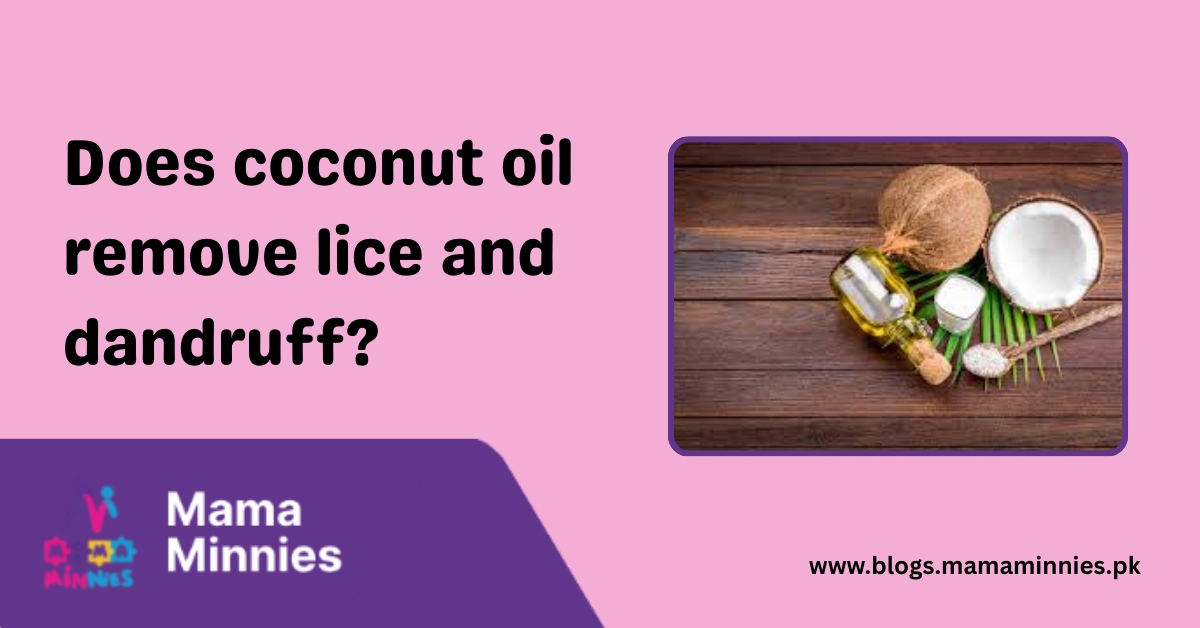
Introduction to Coconut Oil for Lice and Dandruff
In recent years, the popularity of natural remedies for everyday hair and scalp care has surged, with coconut oil emerging as a highly favored multipurpose solution. This versatile oil, derived from the meat of mature coconuts, is frequently considered a gentle, non-chemical option for managing two of the most persistent scalp issue head lice and dandruff. Parents and individuals seek coconut oil for its perceived safety and natural moisturizing properties.
Before exploring specific benefits, it is essential to have realistic expectations. Understanding the difference between supportive treatment and a complete cure is key to success. Coconut oil excels at creating a hostile environment for parasites and restoring scalp moisture, but it often needs to be paired with other methods for total eradication of severe conditions.
What Coconut Oil Does for the Scalp
Coconut oil’s chemical structure makes it uniquely beneficial for scalp health and mechanical hair treatment.
Moisturizing and Nourishing Properties
- How Coconut Oil Prevents Dryness and Flaking: Coconut oil is rich in fatty acids, which are highly effective emollients. They create a protective barrier on the scalp, locking in moisture and preventing the dryness that often leads to mild, non-fungal flaking.
- Supports Scalp Health for Dandruff-Prone Hair: By moisturizing the skin barrier, the oil reduces inflammation and irritation, creating a healthier environment for hair follicles.
Antimicrobial and Antifungal Benefits
- Lauric Acid’s Role in Inhibiting Fungal Growth: About 50% of coconut oil is lauric acid, a medium-chain fatty acid. Lauric acid has documented antifungal properties, which may help inhibit the growth of Malassezia, the yeast that causes most chronic dandruff (seborrheic dermatitis).
- Effectiveness Against Bacteria and Mild Infections: Its antimicrobial action helps protect the scalp from secondary bacterial infections that can result from excessive scratching.
Lubricating Properties for Lice Removal
- How Coconut Oil Helps Loosen Lice and Nits: The thick, smooth consistency of coconut oil coats the hair shaft, lubricating the nits and the strong cement that holds them to the hair.
- Facilitates Easier Combing with a Fine-Tooth Nit Comb: By immobilizing the live lice and making the nits slippery, the oil allows the fine-toothed nit comb to glide through the hair, significantly increasing the effectiveness of mechanical removal.
Coconut oil nourishes the scalp while helping to loosen lice and reduce dandruff, making it a gentle multitasker for healthy hair.
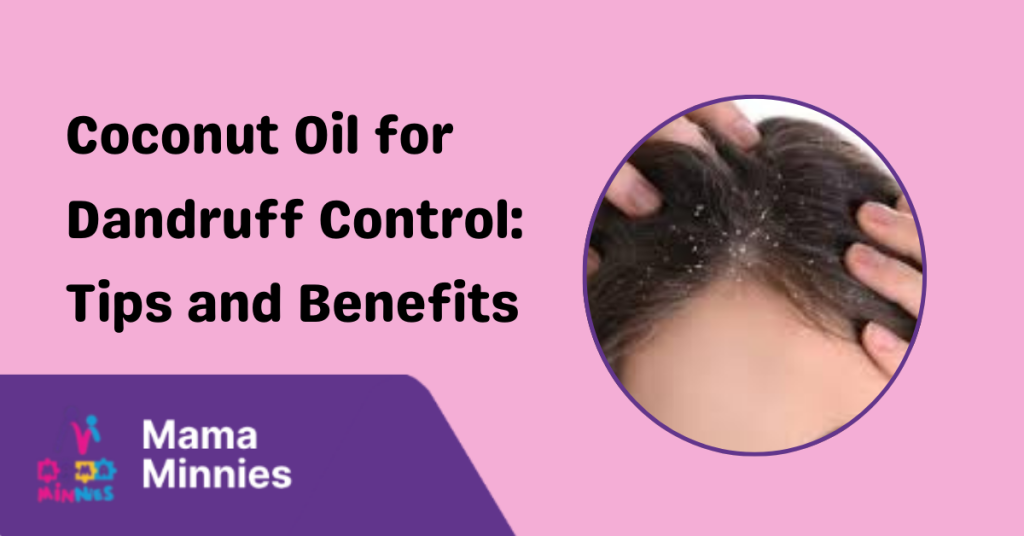
Coconut Oil for Dandruff Control: Tips and Benefits
The key takeaway: For mild and permanent dandruff, coconut oil offers ongoing symptom support by moisturizing and soothing the scalp. For severe, persistent dandruff, consider additional treatments and consult a professional.
Hydration to Reduce Dry Scalp Flakes
- How Dryness Contributes to Dandruff: True dry-scalp flaking (as opposed to fungal seborrheic dermatitis) is caused by a lack of moisture. Coconut oil addresses this root cause directly.
- Applying Coconut Oil to Soothe Itching: The oil provides immediate relief by creating a moisture barrier, calming the urge to scratch, which can further damage the scalp.
Anti-Inflammatory Effects
- Reduces Scalp Irritation and Redness: By maintaining scalp health and acting as an emollient, it helps alleviate the symptoms of inflammation often associated with mild flaking.
- Supports Overall Scalp Barrier Function: A well-hydrated scalp barrier is more resilient against environmental stressors and potential irritants.
Limitations for Severe Dandruff
- Mild Cases Benefit Most: Coconut oil is excellent for mild flaking and irritation.
- Severe Fungal Dandruff May Require Medicated Shampoos: For severe seborrheic dermatitis, the antifungal action of coconut oil alone may not be potent enough to overcome the high Malassezia population. Medicated shampoos containing ingredients like ketoconazole or zinc pyrithione are required for initial control.
How to Use Coconut Oil to Treat Lice Effectively
The key takeaway: Coconut oil helps remove lice but rarely eliminates them alone. For best results, combine regular coconut oil use with thorough combing and other treatments as needed.
How Coconut Oil Helps in Lice Management
When you apply enough coconut oil, it suffocates and immobilizes lice and nymphs. This prevents them from moving or feeding. It is an important first step before using a comb.
Makes Nit Removal Easier with Combing: The primary benefit is making the arduous, critical task of nit combing easier and more effective.
Steps for Applying Coconut Oil for Lice
- Preparation: Mix 1–2 tablespoons of melted coconut oil with a few drops of an enhancing essential oil (such as tea tree; see below).
- Application Method: Saturate the hair completely, from root to tip, massaging the oil into the scalp. Ensure the hair is dripping wet with oil.
- Leave-In Time: Cover the head with a shower cap and leave the oil on for at least 6–8 hours (ideally overnight) to maximize the suffocating effect.
- Comb: Comb the hair section by section using a high-quality metal nit comb before rinsing.
When Coconut Oil Alone Isn’t Enough
If diligent oil treatments and combing do not remove lice and dandruff, switch to a medicated shampoo. Choose one that is clinically tested for lice. Use the medicated shampoo for the initial kill, and then use coconut oil treatments with combing as a follow-up to check for any missed nits.
How to Use Coconut Oil Safely: Essential Tips and Guidelines
Even natural remedies require thoughtful application.
Patch Test for Allergies
- Avoiding Scalp Irritation or Allergic Reactions: Before applying a large amount of oil, especially to a child, test a small amount behind the ear or on the inner arm 24 hours prior to check for redness, itching, or swelling.
Choosing the Right Type of Coconut Oil
- Virgin or extra-virgin coconut oil is less refined and retains more beneficial nutrients. Avoid highly processed or scented cooking oils.
Application Frequency
- For Dandruff Support: Apply a small amount to the scalp once or twice a week as a pre-shampoo treatment, then thoroughly wash.
- For lice support, use a full-saturation oil treatment every 3–5 days for two weeks during removal.
Other Natural Ingredients That Complement Coconut Oil
Coconut oil is a powerful base, enhanced by other botanicals.
Tea Tree Oil
- Enhances Antifungal and Anti-Lice Effects: Adding a few drops of highly diluted tea tree oil to coconut oil increases its ability to kill lice through neurotoxicity and boosts its antifungal activity against dandruff.
Neem Oil
- Neem oil is a natural anti-parasitic and repellent. Adding it to coconut oil helps with lice, discourages reinfestation, and soothes skin.
Aloe Vera
- After treatment, apply pure aloe vera gel to soothe irritation and aid healing. This helps if the treatment or combing has irritated the skin.
When you combine gentle, natural ingredients for scalp care, you can be confident your products are mild. For the final wash, choose a quality brand with non-stripping ingredients, like family-friendly Mama Minnies. This gently removes oil residue without annoying the newly treated scalp.
FAQs
Can coconut oil completely remove lice naturally?
No, not completely by itself. Coconut oil suffocates and immobilizes live lice, but its main role is to facilitate the physical removal of both lice and nits using a fine-toothed nit comb. Combing is essential.
Does coconut oil work for all types of dandruff?
Coconut oil is highly effective for mild dandruff caused by a dry scalp, thanks to its moisturizing properties. It is less effective for severe, chronic fungal dandruff (seborrheic dermatitis), which requires stronger medicated antifungal agents.
How should I apply coconut oil for lice removal?
Saturate the hair and scalp completely with warm coconut oil, cover with a shower cap, and leave it on for 6 to 8 hours. Then, comb the hair meticulously, section by section, with a nit comb before washing it out.
Is coconut oil safe for children’s scalps?
Yes, coconut oil is widely considered safe for children’s scalps and is often preferred over chemical treatments due to its gentleness. Always perform a patch test first.
How long does it take for coconut oil to reduce dandruff?
For mild dry scalp flaking, you may see improvement in itching and flaking within 1–2 applications. For fungal-related dandruff, results may take several weeks and be limited.
Conclusion
Coconut oil is a versatile, natural hair care tool that provides moisture for dandruff and lubrication for lice removal. As a supportive treatment combined with proper combing or used as a moisturizing mask, it is a safe, effective alternative to chemicals. The key takeaway: For best scalp and hair health, use coconut oil as part of a broader care strategy suited to your condition.
Latest Post:
- What to do if the scalp burns after treatment?
- Can pregnant women use lice shampoos safely?
- Are Mama Minnie’s products dermatologist tested?
- Can anti-lice shampoo cause hair loss?
- Which is better herbal or medicated shampoo?