
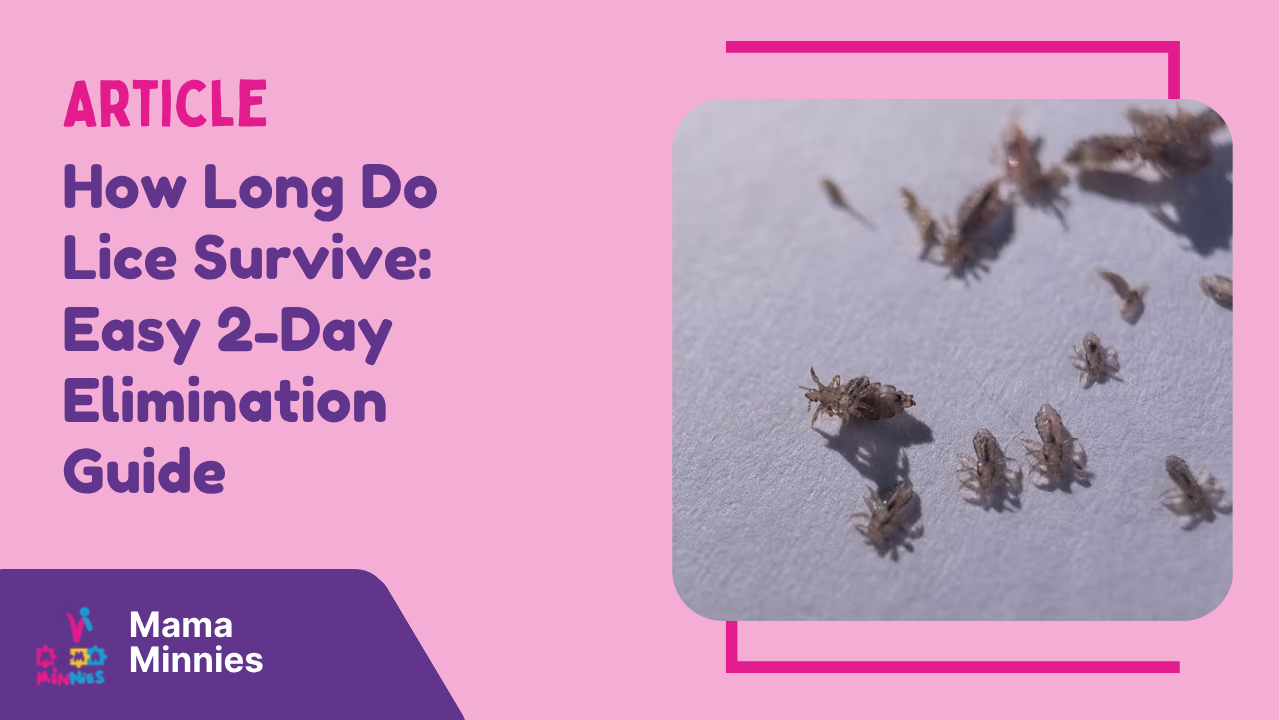
Introduction To Lice & Their Survival
Finding out someone in your family has lice can be nerve-wracking — especially when you start wondering How Long Do Lice Survive, if those tiny pests might still be crawling on your bed sheets, couches, or even your favorite sweater. The idea of lice lingering around your home is enough to make anyone’s scalp itch. But here’s the truth: head lice can’t live forever without a human host — though they can survive just long enough to cause reinfestation if you’re not careful.
Understanding how long lice survive without a host helps you take the right preventive measures to stop them from spreading or coming back. From how long lice live on bedding and clothing to ways to clean your home effectively, we’ll unpack every detail here.
Key Takeaways:
- Lice need human blood to survive and can’t live long away from a host.
- Most lice die within 24 to 48 hours without feeding.
- Nits (lice eggs) can survive longer but need warmth to hatch.
- Cleaning fabrics, bedding, and hair tools prevents re-infestation.
- Natural, safe treatments like Mama Minnies Anti-Lice Lotion and Shampoo protect families from lice reoccurrence.
Understanding How Lice Survive Off the Scalp
Head lice are parasites that depend on human blood to live. They can’t jump or fly — instead, they crawl from one head to another during close contact. Once separated from a scalp, a louse starts to weaken almost immediately. But exactly how long they survive depends on the environment and temperature.
Lice prefer warm, humid conditions — just like the human scalp. Away from it, they quickly lose moisture and die. This explains why simply treating the hair isn’t enough; items like bedding, hats, and brushes can briefly harbor live lice and nits, leading to new outbreaks if not cleaned properly.
For a deeper understanding of reinfestation patterns, you can read our guide on Can Head Lice Return After Treatment?.
The Life Cycle of Lice Explained
To know how long lice can survive without a host, it’s important to understand their life cycle. Each stage — egg, nymph, and adult — reacts differently once removed from the scalp.
Lice Eggs (Nits) and Their Survival
Nits are lice eggs that attach firmly to hair strands with a glue-like substance. They’re oval and often mistaken for dandruff. While they can survive for several days in a warm, humid setting, they need consistent body heat to hatch. Away from the scalp, most nits won’t survive beyond a week, and those that do usually fail to hatch due to temperature loss.
Nymphs and Adult Lice Lifespan
Once hatched, a nymph (young louse) needs a blood meal within hours to survive. Adult lice, on the other hand, can live around 30 days on the scalp but only 1–2 days without one. Without human blood, they quickly become dehydrated and immobile, eventually dying.
This life cycle insight shows why lice rarely infest household objects for long. Still, taking preventive cleaning steps can stop possible transfer.
How Long Lice Live on Common Surfaces
Even though lice die quickly without a host, it’s wise to clean certain household items to minimize the risk of re-infestation.
Can Lice Live on Bedding?
Lice can fall off the scalp onto pillows or sheets, but they rarely survive there for more than 24–48 hours. However, if someone lies down within that window, they could still pick up live lice. That’s why experts recommend washing all bedding, pillowcases, and blankets in hot water (at least 130°F / 54°C) and drying them on high heat.
You can read more about this in our detailed post, Can Lice Live on Bedding or Clothes?.
What About Clothes and Hats?
Like bedding, lice can cling to clothing fibers or headwear, especially collars, scarves, and hats. To prevent this, wash and dry clothing worn during the outbreak period on high heat. Non-washable items should be sealed in an airtight bag for two weeks — long enough for any lice to die off naturally.
Can Lice Survive on Brushes or Towels?
Yes, but only temporarily. Combs, hairbrushes, and towels can hold lice for a short period, usually less than 24 hours. Soak brushes in hot water (over 130°F) for at least 10 minutes, and use separate towels for each family member until the infestation is fully cleared.
Environmental Factors That Affect Survival
Lice are sensitive to environmental changes. Factors like temperature and humidity can drastically affect their survival off a host.
Temperature and Humidity
Lice thrive at around 86°F (30°C), similar to the warmth of a human scalp. Once exposed to cooler or drier air, they lose moisture rapidly. In dry conditions or low humidity, they die even faster — sometimes within just 12 hours.
Surfaces and Material Types
Soft, absorbent materials like cotton provide temporary warmth, while hard surfaces such as wood or plastic do not. This means lice are more likely to survive for a few hours on fabric items than on furniture or floors.
How to Prevent Reinfestation at Home
Even if lice can’t live long off the scalp, taking extra care with cleaning and prevention ensures they don’t come back.
Proper Cleaning Routine
Disinfect all bedding, clothing, and hair accessories used in the last few days. Vacuum carpets, couches, and car seats to remove fallen hairs carrying nits. You can also lightly spray upholstery with natural lice repellent mist to add an extra layer of defense.
Family-Wide Prevention Measures
Since lice spread mainly through head-to-head contact, check every family member regularly. Using Mama Minnies Anti-Lice Repellent Spray daily is a gentle way to protect adults and kids alike from catching lice again.
For an in-depth look at household prevention, visit How to Prevent Lice from Spreading in the Family.
Why Lice Need a Human Host
Unlike fleas or bedbugs, lice can only survive on human scalps. They’re specifically adapted to cling to human hair shafts using hook-like claws. They cannot feed or reproduce on pets, fabrics, or furniture. Without feeding on blood, they die quickly — usually within 48 hours.
This is why controlling lice is mostly about treating the scalp, not just cleaning the environment.
Best Treatments to Ensure Complete Elimination
Mama Minnies Lice Treatment Range
For fast and safe removal, Mama Minnies Anti-Lice Lotion and Shampoo are formulated with natural ingredients that target lice and nits effectively without harsh chemicals. These products work for both adults and children, offering a holistic family solution that soothes the scalp while killing lice.
Natural vs. Chemical Treatments
While over-the-counter treatments may contain strong pesticides, natural alternatives — like those offered by Mama Minnies — provide a safer and equally effective route. They’re ideal for sensitive scalps and for families who prefer chemical-free care.
You can also explore our related post, Are Natural Lice Remedies Effective for Adults?.
Common Misconceptions About Lice Survival
Lice Live for Weeks on Furniture – Myth
Lice can’t survive long without a human host. Even in ideal conditions, they die within 2 days. Vacuuming and light cleaning are enough — no need to deep-clean your entire home for weeks.
Nits Hatch Anywhere – Myth
Nits require scalp warmth to hatch. Off the scalp, they stay dormant or die. Washing hair tools and linens once is usually sufficient.
For more on identifying lice properly, see What’s the Difference Between Lice and Dandruff?.
When to Re-Treat or Seek Professional Help
If itching returns or you notice new live lice after a week, retreat the hair. Persistent cases might mean some eggs survived or were missed during combing. In such cases, repeat treatment using Mama Minnies Lotion and Fine-Tooth Comb for thorough nit removal.
Conclusion – How Long They Really Last
In short, head lice can’t survive long without a human host. They may live up to 48 hours off the scalp, but they can’t feed, lay eggs, or thrive without body warmth. The real key to stopping lice is treating both the hair and the surrounding environment — efficiently, but without panic.
Consistent prevention using Mama Minnies ensures your family stays lice-free, comfortably and confidently.
FAQs – About Lice Survival and Prevention
How long can lice live on pillows or couches?
Up to 48 hours, though they rarely cause reinfestation if bedding is cleaned promptly.
Can lice survive on pets?
No, lice are human-specific and cannot live on dogs or cats.
Do lice die in cold weather?
Yes. Cold and dry environments kill lice quickly, often within 12 hours.
Should I spray my home with insecticide?
Not necessary — hot washing and vacuuming are enough for most cases.
How do I know lice are completely gone?
When no live lice or fresh eggs are found after 10 days of treatment and daily combing.
Latest Posts:
- What to do if the scalp burns after treatment?
- Can pregnant women use lice shampoos safely?
- Are Mama Minnie’s products dermatologist tested?
- Can anti-lice shampoo cause hair loss?
- Which is better herbal or medicated shampoo?