
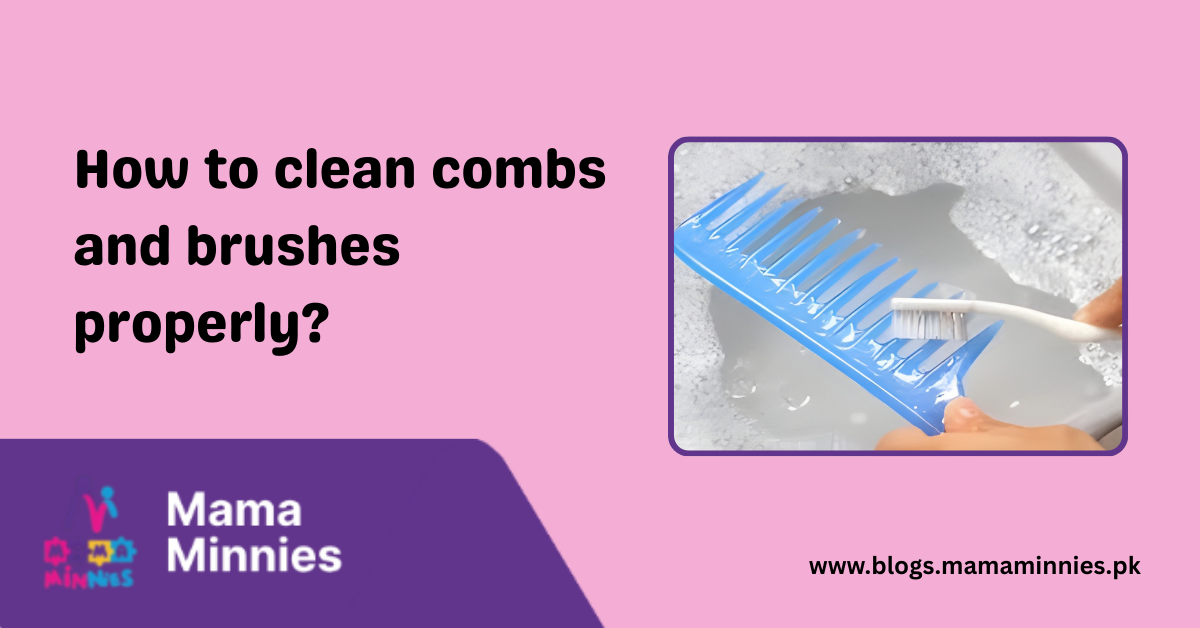
Introduction to Cleaning Combs and Brushes Properly
Your hairbrush and comb are among the most frequently used tools in your daily routine, yet they are often the most neglected. Every time you run a brush through your hair, it collects shed hair, dead skin cells, oil (sebum), environmental dust, and residual styling products. If left uncleaned, these tools become not instruments of beauty, but carriers of dirt and bacteria, ready to be redistributed onto your clean hair and scalp.
Learning the proper techniques for cleaning combs and brushes to prevent lice transfer is not just about hygiene; it is an essential step in maintaining a healthy scalp and ensuring your hair products actually work. This guide will walk you through the simple, effective steps for deep cleaning and disinfecting your hair tools, ensuring they remain allies in your pursuit of healthy hair.
Why Cleaning Hair Tools Is Essential for Scalp Health
The health of your scalp is the foundation of healthy hair. Unclean tools directly compromise this foundation.
How Dirty Combs and Brushes Affect Hair Quality
When you brush with dirty tools, you are essentially coating your hair with stale product buildup and oils from previous days. This prevents lice spreading and the hair from achieving its true shine and volume, leading to:
- Dullness: The film of residue traps light, making your hair look lifeless.
- Heaviness: The buildup weighs down the hair, reducing volume and bounce.
- Ineffective Washing: You may feel the need to wash your hair more frequently, which can lead to dryness and irritation.
Signs Your Hair Tools Need a Deep Clean
The visual cues are often obvious, but pay attention to these clear signals:
- A visible layer of white or grey dust (a mix of dead skin and old products) is accumulating at the base of the bristles.
- Hair strands are completely matted and packed into the cushion or base of the brush.
- The brush or comb feels tacky or sticky to the touch.
- A faintly sour or musty smell is coming from the tool.
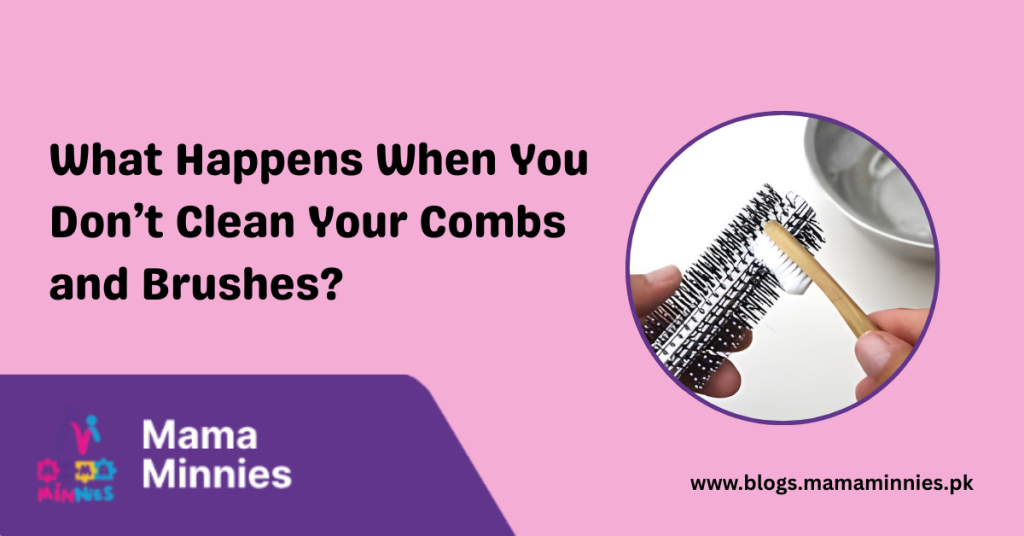
What Happens When You Don’t Clean Your Combs and Brushes?
Failing to maintain tool hygiene has three major consequences for your hair and scalp.
Product Buildup and Dirt Accumulation
Every spray of dry shampoo, pump of mousse, and drop of serum transfers onto your brush. This sticky residue acts like glue, trapping environmental pollutants, dirt, and dust. This sticky coating can even damage the bristles themselves, reducing their effectiveness.
Increased Scalp Oiliness and Dandruff
The accumulated sebum and bacteria on your brush are constantly transferred back to your clean scalp. This can disrupt the scalp’s natural oil production cycle, making the scalp oilier more quickly and contributing to yeast growth, a common cause of flaky skin or dandruff.
Bacteria Growth Leading to Itchy or Irritated Scalp
Damp environments (such as bathrooms) and organic material (such as dead skin cells) create an ideal breeding ground for bacteria and mould. Using a brush contaminated with these microorganisms can lead to itching, redness, inflammation, and even mild scalp infections.
Types of Hair Tools and How They Collect Dirt
Different tools require slightly different cleaning approaches based on their material and construction.
Plastic and Rubber Combs
These are the easiest to clean. They have non-porous surfaces, so buildup sits on the exterior. However, the spaces between the teeth are often deep and narrow, requiring thorough soaking to dislodge any remaining debris.
Wooden Combs
Wooden combs are natural, gentle, and static-free, but they are highly susceptible to water damage. They collect oil and product residue easily and must never be soaked for long periods, as water can cause the wood to swell, crack, or harbour mould internally.
Paddle and Round Brushes
These brushes typically have dense bristles inserted into a rubber or plastic cushion. The cushion traps water, soap, and hair, making them difficult to dry thoroughly and prone to mould if not properly aired out. Round brushes, in particular, tightly twist hair strands around the barrel.
Brushes with Synthetic vs. Natural Bristles
- Synthetic (Nylon/Plastic): Easier to clean and more durable in water. They collect product buildup but are less porous.
- Natural (Boar/Boar Blend): These bristles are porous and effectively pick up and distribute natural scalp oils (sebum). While great for shine, they also absorb oils, dirt, and odours quickly and require gentler cleaning methods to avoid damaging the delicate structure.
A clean comb isn’t just a tool — it’s the foundation of healthier, smoother hair.
Best Ways to Clean Combs and Brushes at Home
A proper deep clean combs and brushes in three steps: removal, soaking, and rinsing.
Removing Hair Strands the Right Way
Before soaking, you must remove all visible hair. Use the end of a rattail comb, a pair of tweezers, or even small scissors to gently cut away stubborn mats of hair packed near the base. Pull the hair out from the brush.
Soaking Tools in Warm, Soapy Water
Fill a basin with warm (not hot) water. Add a few drops of mild clarifying shampoo or gentle dish soap. Submerge your plastic brushes and combs, ensuring the water covers the bristles.
- Soaking Time: Let plastic tools soak for 15–20 minutes to dissolve product buildup. For wooden brushes or natural bristles, limit soaking to 5–10 minutes maximum, keeping the wooden handle and cushion base out of the water if possible.
Using Baking Soda or Vinegar for Deep Cleaning
For stubborn, sticky buildup, a natural acidic agent works wonders:
- Vinegar Soak: Add 1 tablespoon of white vinegar per cup of warm water. The acidity helps dissolve hard-to-remove hairspray and oil.
- Baking Soda Paste: A paste of baking soda and water can be used to gently scrub the bristles and cushion base to lift grime.
Disinfecting Hair Tools Safely
After cleaning, disinfecting is crucial, especially if you have had a scalp infection. A simple, safe disinfectant is a 70% isopropyl alcohol solution applied lightly to the bristles, or using a natural option like Tea Tree Oil (see below).
How to Clean Different Types of Brushes
Tailor your technique to the tool’s structure.
Cleaning Paddle Brushes Without Damaging Cushion Base
If a paddle brush has a small air hole in the cushion, avoid submerging it, as water will get trapped inside and cause mould.
- Hold the brush so the cushion base faces up, and use a toothbrush dipped in the cleaning solution to scrub the bristles.
- If you choose to purchase a high-quality, durable brush, like one of Mama Minnie detangling brushes, ensure it can be easily cleaned without fear of water trapping.
Washing Round Brushes with Stuck Hair
Round brushes tend to trap hair tightly around the barrel. Use scissors to carefully slice the hair lengthwise down the barrel before pulling the strands free. Soak the bristles in the cleaning solution, concentrating it only on the bristles, then rinse thoroughly.
Caring for Wooden Combs Without Water Damage
Never fully submerge wooden tools. Use a cotton pad or cloth dampened with a gentle soap-and-water solution to wipe down the teeth and handle. Immediately dry the wood thoroughly with a towel and allow it to air dry in an open space, ensuring it is not sitting in residual moisture.
Natural Remedies for Cleaning Hair Tools
These simple kitchen staples are effective, eco-friendly cleaners.
Vinegar Rinse: As mentioned, a diluted white vinegar rinse is excellent for cutting through the gummy residue left by hairspray, mousses, and thick serums. Use it weekly as a quick maintenance soak.
Tea Tree Oil for Disinfection: Tea tree essential oil is a potent natural antiseptic and antifungal. Add 5–7 drops of tea tree oil to your warm water soak (or mix with alcohol-free witch hazel in a spray bottle) to naturally disinfect your tools after they have been physically cleaned.
Lemon Water for Odour Removal: If your brush has a musty or sour smell, the citric acid in lemon juice helps to naturally break down odour-causing bacteria. Add the juice of half a lemon to your final rinse water.
Daily and Weekly Maintenance Tips
Consistency is key to a hygienic routine.
How Often to Clean Combs and Brushes
- Daily: Remove all visible hair strands after every use.
- Weekly: Perform a deep soak/wash (as detailed above). This is the minimum required frequency to prevent bacterial and product buildup.
Storing Hair Tools Properly: Never store wet brushes in a closed drawer or bag. Always allow them to air dry completely, cushion-side down (or bristle-side up), in a well-ventilated space.
Avoiding Product Buildup with Smart Habits: When applying styling products (like hairspray or texturising sprays), let them dry or settle before brushing. Brushing a wet product immediately transfers the most residue onto your tool.
Common Mistakes to Avoid When Cleaning Hair Tools
These errors can damage your tools and reduce their lifespan.
Using Hot Water on Delicate Materials: Hot water can melt the glue that holds bristles in the cushion base, cause plastic components to warp, and degrade natural bristles. Always use warm or lukewarm water.
Over-Soaking Wooden Tools: Prolonged soaking (over 10 minutes) will ruin wooden combs and brushes, leading to cracking, splintering, and mould development within the wood grain.
Using Harsh Chemicals That Damage Bristles: Avoid using abrasive household cleaners, bleach, or concentrated alcohol directly on the bristles, as these can strip and damage natural or synthetic fibres, making them scratchy and ineffective.
When to Replace Your Combs and Brushes
No matter how well you clean them, all hair tools have a lifespan.
Broken Bristles or Sharp Edges: When bristles bend, break, or the plastic tips fall off, the exposed, sharp edges can scratch your scalp and tear your hair, causing more damage than detangling. Replace these immediately.
Persistent Odor or Mold: If cleaning and disinfecting do not remove a persistent, musty odour or if you see actual signs of mould in the cushion, the contamination is likely deep within the material, and the tool should be discarded.
Tools That No Longer Detangle Properly: If your brush no longer glides through your hair and seems to snag even when clean, it means the bristles have lost their shape or stiffness and are no longer performing their function.
FAQs
How often should I clean my hair brushes and combs?
Once a week is ideal to prevent the buildup of product residue, oil, bacteria, and dead skin cells.
Can I use shampoo to clean brushes?
Yes, a few drops of gentle clarifying shampoo or mild dish soap work very well for washing bristles and removing oily residue.
Is vinegar safe for cleaning combs?
Absolutely, diluted white vinegar (1:4 with water) helps dissolve stubborn oil and product buildup due to its mild acidity.
Can dirty hair tools cause dandruff?
Yes, unclean tools can transfer dirt, stale oils, and yeast back to your scalp, contributing to scalp irritation and flakiness often mistaken for dandruff.
Are wooden combs safe to wash?
Yes, but avoid soaking them instead, wipe them quickly with a damp, soapy cloth and immediately dry them thoroughly to prevent cracking or mould.
Conclusion
The simple act of cleaning your combs and brushes is a fundamental part of maintaining healthy, vibrant hair. By removing hair after every use and committing to a weekly deep clean with soap, water, and natural aids like vinegar or tea tree oil, you break the cycle of transferring dirt and bacteria back to your scalp.
This proactive hygiene ensures your hair tools function optimally, helping you achieve lasting shine, volume, and scalp health.
Latest Post:
- What to do if the scalp burns after treatment?
- Can pregnant women use lice shampoos safely?
- Are Mama Minnie’s products dermatologist tested?
- Can anti-lice shampoo cause hair loss?
- Which is better herbal or medicated shampoo?