
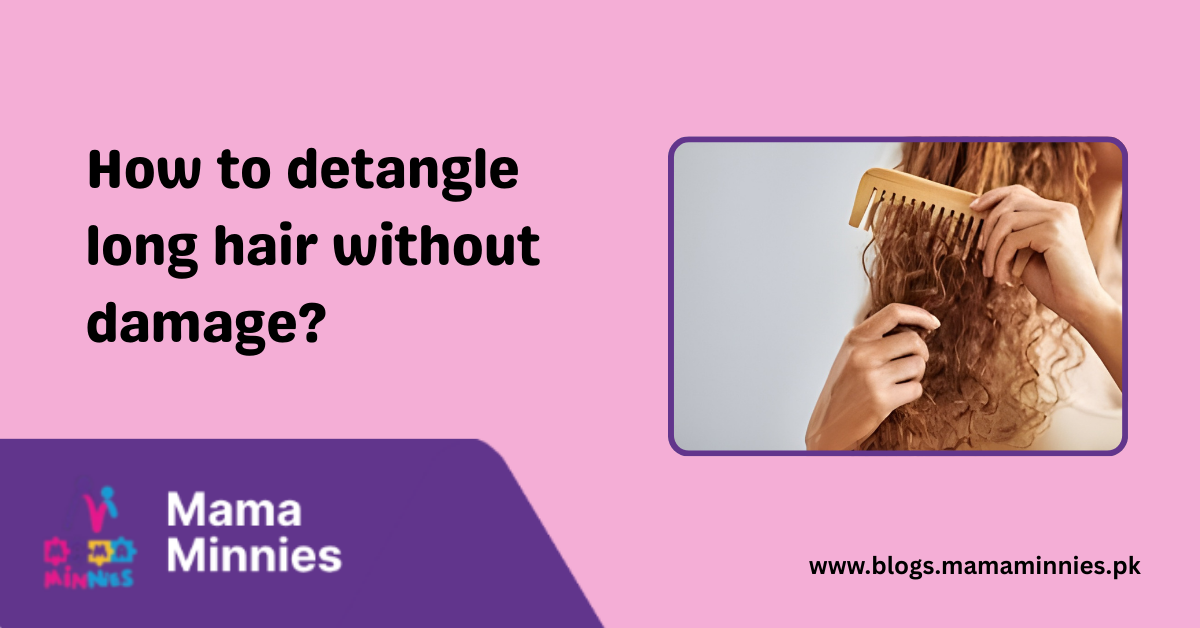
Introduction to Detangling Long Hair Without Damage
For those blessed with long, flowing locks, the daily ritual of Detangle long hair can quickly turn into a frustrating battle against knots, snags, and inevitable breakage. While tangles are a natural occurrence, the way we handle them determines the health, length, and overall vitality of our hair.
Aggressive brushing is a leading cause of damage, resulting in frizz, split ends, and thinning. This comprehensive guide will transform your detangling routine from a chore into an essential, gentle act of self-care. We will explore the root causes of knots and provide simple, expert-approved techniques and products to ensure your long hair remains strong, smooth, and free of damage.
Why Long Hair Tangles Easily
Understanding why hair knots up is the key to preventing it in the first place. Tangles are essentially strands of hair that have coiled around each other, often due to physical disruption of the cuticle layer.
Common Causes of Knots and Breakage
- Friction from Heat, Pillowcases, and Styling Tools: Constant movement, especially against rough surfaces like cotton sheets or scarves, roughs up the hair’s outer cuticle, making strands catch and cling to each other.
- Dryness and Lack of Moisture: When hair is dry, the cuticle scales lift, creating a rough surface that easily snags on neighboring strands. Well-moisturized hair is smooth and resistant to tangling.
- Split Ends Making Hair Catch and Knot: Damaged, frayed ends act like Velcro, catching and locking onto nearby strands, quickly spiraling into larger knots.
Importance of Gentle Detangling for Hair Health
Detangling is arguably the most damaging part of any hair care tips or routine. When force is applied to a knot, the weaker points of the hair shaft snap, resulting in breakage, not just at the knot, but often much higher up the strand. Gentle, methodical detangling minimizes tension, preserves the hair’s keratin structure, and allows you to retain length.
What Causes Long Hair to Tangle So Easily?
Long hair has been exposed to more friction and age-related wear than short hair. Every inch of length represents approximately a month of exposure to environmental stressors.
Friction from Heat, Pillowcases, and Styling Tools
The simple act of turning your head while sleeping on a cotton pillowcase creates enough friction to lift the hair cuticle and create tiny micro-knots. Similarly, friction from towels or intense heat styling leaves the hair vulnerable.
Dryness and Lack of Moisture
When the hair shaft lacks internal moisture, it becomes brittle and rigid. This rigidity prevents the strands from smoothly gliding past each other, leading to increased tangling, especially at the ends.
Split Ends Making Hair Catch and Knot
Split ends are the prime source of recurring tangles. Once the end of a single strand splits into two or more fibers, those sharp, frayed tips latch onto every piece of surrounding hair they encounter, quickly pulling healthy hair into a mat.
Signs Your Hair Needs Better Detangling Care
Your hair sends clear signals when your current detangling method is too harsh or not harsh enough.
- Increased Hair Fall While Combing: While losing 50-100 hairs daily is normal, if you see large clumps or tiny pieces of broken hair (which look like short, snapped segments), your technique is causing breakage.
- Rough, Dry, or Fragile Strands: Hair that feels stiff or brittle before brushing is highly prone to damage and needs immediate moisture and a softer detangling approach.
- Difficulty Running Fingers Through Hair: If your fingers constantly snag when running them through dry hair, it means the cuticle is severely raised, or hidden knots are developing.
Gentle detangling isn’t just a technique — it’s the secret to keeping long hair strong, silky, and breakage-free.
Best Ways to Detangle Long Hair Without Damage
The secret to damage-free detangling is simple: preparation, patience, and the right tools.
Using a Wide-Tooth Comb or Detangling Brush
Never use a fine-tooth comb or a regular paddle brush on tangled hair.
- Wide-Tooth Comb: Best for wet hair. The wide spacing minimizes surface tension, allowing you to isolate knots without pulling on surrounding strands.
- Flexible Detangling Brush: These brushes, often featuring flexible bristles, are excellent for distributing detangling products and gliding through wet or damp hair with minimal snagging.
Applying Leave-In Conditioner or Slip-Enhancing Products
Detangling must be done when the hair has “slip,” the ability for the strands to slide easily past one another. A lightweight leave-in conditioner or a dedicated detangling spray creates this slip.
Working Through Hair Section by Section
Divide your hair into two to four manageable sections. Secure all but the section you are working on. This isolates the area, allowing you to focus your attention and product where it is needed, preventing the brush from trying to detangle the entire head at once.
Finger Detangling for Extra Gentle Care
For very delicate, curly, or coily hair, always start by finger detangling. Your fingers are the most sensitive tool and can feel the exact location of a knot, allowing you to gently pull it apart before introducing a comb.

Detangling Wet Hair Safely
For most hair types, especially straight or wavy hair, wet detangling must be approached with caution. Hair is most fragile when wet because the water swells the cortex, weakening the protein bonds.
How Much Moisture Hair Needs Before Detangling
Hair should be damp, not dripping wet. It should be saturated with a detangling product or conditioner that provides lubrication. Detangling completely dry hair (especially curly hair) can cause frizz and excessive breakage.
Best Products for Wet Detangling
Always use a creamy, high-slip conditioner or a specialized detangler. For example, a quality product that provides adequate slip and reduces friction, such as those formulated by Mama Minnies, can make the difference between effortless detangling and major breakage.
Avoiding Breakage When Hair Is Most Fragile
- Always detangle with conditioner in your hair (in the shower).
- Use only a wide-tooth comb.
- Never rush. Use short, gentle strokes.
How to Detangle Dry Hair Without Causing Breakage
Dry detangling is often preferred for type 3 (curly) and type 4 (coily) hair, as water disrupts the curl pattern, making hair more vulnerable to damage.
Using Oils: Oils are fantastic emollients that coat the hair shaft, reducing friction. Apply a few drops of lightweight Argan or Jojoba oil to your palms, then run them over the section you are about to detangle. This adds the necessary slip without wetting the hair.
Pre-Detangling Techniques for Curly Hair: Before shampooing, lightly spritz your hair with a detangling spray, then finger-detangle for 5 minutes. This process, called “pre-poo” or pre-shampooing, saves significant time and reduces damage in the shower.
Choosing Tools That Don’t Pull or Rip Hair: Look for flexible detangling brushes specifically designed for textured hair, which bend when encountering a knot, minimizing pulling force on the hair root.
Natural Home Remedies for Easier Detangling
Nature provides excellent, non-toxic sources of slip and hydration.
Aloe Vera Gel for Slip
Pure aloe vera gel has a natural viscosity and is slightly acidic, which helps smooth and seal the cuticle, creating instant slip. Mix a spoonful of pure gel with water and use it as a detangling serum.
DIY Detangling Mist with Conditioner + Water
- Recipe: Mix 1 part lightweight, moisturizing conditioner with 3 parts water in a spray bottle. Shake well.
- Use: Spray generously on dry or damp sections before combing.
Flaxseed Gel for Smoothness and Shine
Boiling flaxseeds creates a natural, high-slip gel rich in Omega-3 fatty acids. This gel is incredibly moisturizing and provides excellent frizz-free detangling for all hair types.
Daily Habits That Prevent Hair from Tangling
Prevention is the most effective detangling strategy.
Protective Hairstyles for Long Hair: Minimize friction and movement by securing your hair, especially before bed or exercise. Simple loose braids, buns, or a pineapple bun (tying hair high on the head) prevent strands from intertwining.
Using Silk or Satin Pillowcases: Switching from cotton to silk or satin eliminates the rough surface friction that causes tangles and frizz overnight. This is perhaps the simplest and most effective preventative step.
Regular Trimming to Prevent Split Ends: Aim for a small trim every 8–12 weeks. Removing those frayed, split ends eliminates the “Velcro effect” that initiates most tangles, keeping your hair much healthier.
Common Mistakes to Avoid When Detangling Long Hair
Breakage often results from impatience and poor technique.
Brushing from Roots Instead of Ends: This is the number one detangling mistake. Starting at the root pushes all the knots down to the bottom, consolidating them into one massive, damaging mat. Always start at the very ends (3-4 inches) and work upward, one section at a time.
Using the Wrong Comb or Brush: Using a plastic fine-tooth comb or a round brush on tangled hair will simply rip through the knots, not detangle them. Invest in a high-quality wide-tooth comb or a flexible detangling brush.
Detangling Hair: Unless you have textured hair, detangling should not be done when hair is bone-dry. Conversely, never yank a comb through sopping wet hair without first applying conditioner for protection.
When to Seek Professional Help
Sometimes, tangles escalate beyond what a home routine can handle.
Severe Matting: If hair becomes severely matted (a large, solid knot that takes hours to work through), a professional stylist has the specialized tools, products, and patience to save the hair without resorting to cutting.
Excessive Breakage or Hair Loss: If your breakage is accompanied by unexplained, persistent breakage or hair loss or if your hair seems to be thinning rapidly, consult a dermatologist. The problem may be internal (nutritional deficiency, hormonal) rather than mechanical.
Long-Term Damage That Doesn’t Improve: If consistent, gentle care and moisturizing treatments do not improve the texture and manageability of your hair over a few months, a professional diagnosis may be necessary to identify protein or moisture imbalances.
FAQs
Is it better to detangle hair when it’s wet or dry?
It depends on your hair type: straight or wavy hair detangles best when damp and saturated with conditioner, while curly or coily hair often benefits from dry or damp detangling with oil/mist to preserve curl patterns.
Can oil help with detangling long hair?
Yes, lightweight oils like coconut and argan coat the hair shaft, providing excellent slip and reducing frizz, making the process much smoother.
How often should I detangle long hair?
Every 1–2 days is ideal to prevent small tangles from escalating into major knots and to minimize breakage.
Are detangling sprays safe for daily use?
Yes, detangling sprays are safe for daily use, provided they are lightweight, non-sticky, and formulated without harsh, drying chemicals.
Does sleeping with hair open cause tangles?
Yes, loose hair rubs against the pillowcase (especially cotton), creating excessive friction that leads to knots and roughing up the cuticle.
Conclusion
Detangling long hair doesn’t have to be frustrating or leave you with a handful of broken strands. By adopting a patient, methodical approach starting from the ends, using the right tools, and prioritizing moisture and slip, you transform this routine into a nurturing process.
Consistent prevention, through protective styling and silk pillowcases, combined with gentle technique, will safeguard your length and ensure your long hair remains strong, healthy, and beautifully damage-free.
Latest Post:
- What to do if the scalp burns after treatment?
- Can pregnant women use lice shampoos safely?
- Are Mama Minnie’s products dermatologist tested?
- Can anti-lice shampoo cause hair loss?
- Which is better herbal or medicated shampoo?