
Introduction to Adding Tea Tree Oil to Shampoo
Tea Tree Oil (TTO), derived from the leaves of the Melaleuca alternifolia plant, has been a trusted topical agent for centuries. The overview of tea tree oil benefits for hair and scalp highlights its potent natural properties, making it a sought-after remedy for common hair woes. The simple act of adding tea tree oil to shampoo is effective because it allows this powerful essential oil to gently penetrate the scalp during the routine cleansing process.
This method allows TTO’s active components to target the root causes of inflammation and microbial growth. This guide will detail how TTO can be safely and effectively incorporated into your washing routine to address common hair and scalp issues, such as persistent flakes, embarrassing itchiness, and frustrating oiliness.
What is tea tree oil, and how does it benefit hair when mixed with shampoo?
TTO is a complex mixture of over 100 compounds, with terpinen-4-ol being the most active.
Tea Tree Oil and Its Antimicrobial Properties
- Active Mechanism: Tea tree oil is widely recognized for its broad-spectrum antimicrobial properties, making it effective against bacteria, viruses, and, most importantly for scalp health, fungi (such as Malassezia).
- Scientific Backing: Studies have shown that TTO, even at low concentrations, can disrupt the integrity of microorganism cell membranes, effectively inhibiting their growth.
How Tea Tree Oil Helps Combat Dandruff, Itchiness, and Oily Scalp
- Dandruff and Itchiness: Dandruff is often caused by the Malassezia fungus. TTO’s antifungal activity reduces yeast populations, thereby decreasing flaking. Its natural anti-inflammatory properties soothe the resultant irritation and itchiness.
- Oily Scalp: TTO helps cleanse and unclog hair follicles. Keeping follicles free of debris and reducing microbial buildup can help maintain a balanced balance of oil and sebum production on the scalp.
Benefits of Tea Tree Oil for Promoting Healthy Hair
- Tea tree oil supports healthy hair growth by keeping hair follicles clean and unblocked, ensuring robust, free growth.
A few drops of tea tree oil in your shampoo can turn an everyday wash into a soothing, scalp-cleansing ritual.
How to Mix Tea Tree Oil in Shampoo
Proper shampoo selection and careful dilution are essential to ensure the safety and effectiveness of tea tree oil.
Choosing the Right Shampoo
- Best Types of Shampoo: Choose a gentle, clear, mild, or low-lathering shampoo that is free of excessive fragrances and heavy additives.
- Avoiding Harsh Chemicals: Avoid mixing TTO with shampoos containing strong detergents (e.g., high concentrations of SLS/SLES) or other harsh chemicals, as these can strip the scalp and negate TTO’s anti-inflammatory benefits. For a gentle, non-stripping base, a mild formula is ideal.
Correct Tea Tree Oil Dilution
- Effective concentration for tea tree oil in shampoo is generally 1% to 2%.
- Calculation: For every 1 fluid ounce (30 ml) of shampoo, add a maximum of 6 to 12 drops of pure tea tree oil.
- Tips to Prevent Scalp Irritation: Never exceed the 2% concentration. If you have a sensitive scalp, start at the lower 1% ratio (6 drops per ounce).
Step-by-Step Mixing Process
- To maintain tea tree oil potency and accurate dosage, avoid mixing it into your entire shampoo bottle.
- Combine: Dispense a small, palm-sized amount of shampoo (the amount you would use for one wash) into a small, separate container or directly into your palm.
- Add Oil: Add 2–3 drops of TTO to this portion.
- Mix Well: Rub the mixture between your palms lightly before applying it to the scalp.
- Storage Tips to Maintain Potency: Keep the main bottle of TTO stored in its dark glass container, away from light and heat. Mix only the amount needed for each wash.
Application Tips
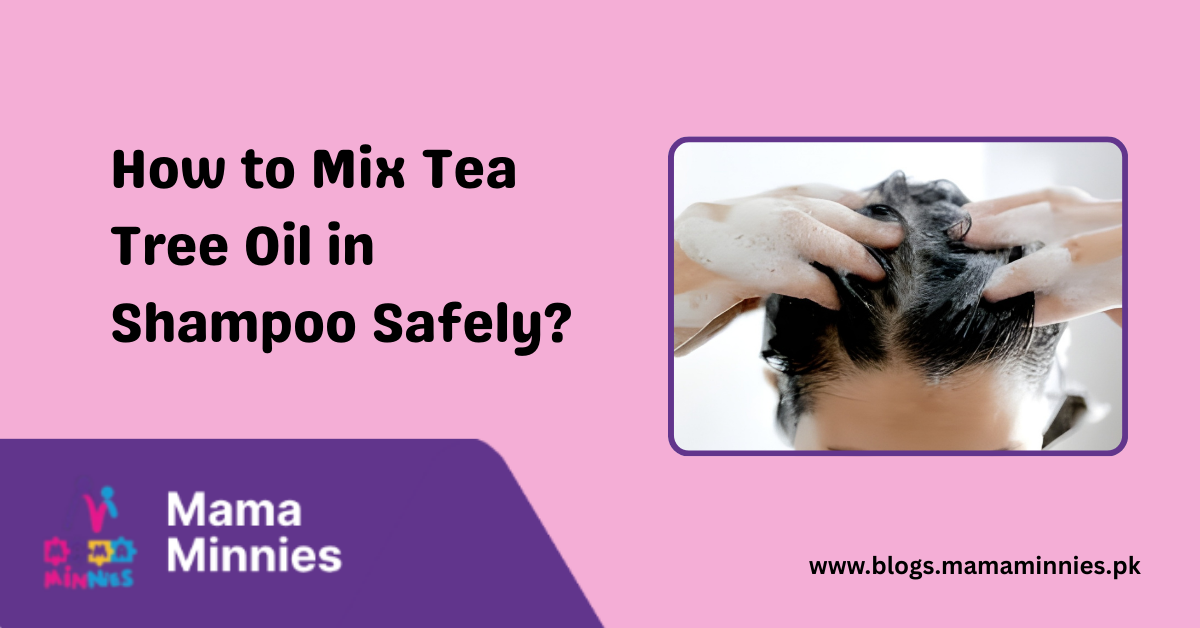
For optimal results, focus shampoo lather and massage on the scalp, leaving it on for 2–3 minutes so active compounds can work.
- Frequency of Use for Optimal Results: For treating active dandruff or severe oiliness, use the mixture 2 to 3 times per week. For maintenance, reduce frequency to once a week.

Benefits of Using Tea Tree Oil in Shampoo
Regular use of tea tree oil helps shift the scalp environment from reactive to resilient over time.
Reduces Dandruff and Scalp Flakes
TTO shampoo significantly reduces scalp flakes by controlling Malassezia fungus and clearing excess debris.
Soothes Itchy and Inflamed Scalp
Terpinen-4-ol’s anti-inflammatory properties in tea tree oil effectively relieve persistent itching and redness.
Controls Excess Oil and Sebum Production
As a natural cleanser, TTO prevents oily buildup and unclogs follicles, helping manage seborrheic dermatitis.
Supports Hair Growth and Scalp Health Naturally
A balanced, healthy scalp supports thriving hair follicles, allowing the natural growth cycle to continue.
To ensure your TTO blend is gentle yet effective, the base shampoo matters. Avoid stripping ingredients that can irritate, as this prevents the oil from working effectively. Use a mild, nourishing shampoo as your base, such as the gentle haircare options offered by Mama Minnies, to help your scalp stay balanced and supported during the treatment phase.
Things to Keep in Mind When Using Tea Tree Oil in Shampoo
Your first priority when using essential oils like tea tree oil should always be safety.
Importance of Patch Testing Before Use
Always apply a small, diluted drop of the TTO mixture in shampoo to the skin behind the ear or on the inner arm 24 hours before applying it to the entire scalp. Do not proceed if redness, swelling, or irritation occurs.
Avoiding Overuse to Prevent Irritation
Using TTO too frequently or at too high a concentration can lead to compensatory oil production, severe dryness, and scalp irritation. Limit concentration and frequency.
Not Suitable for Certain Scalp Conditions
If you have open wounds, severe eczema, or deep scalp psoriasis lesions, consult a dermatologist before using TTO, as the oil may sting and worsen inflammation.
Frequently Asked Questions
How much tea tree oil should I add to my shampoo?
Add 6 to 12 drops per fluid ounce (30 ml) of shampoo to achieve a safe concentration of 1% to 2%. For a single wash, add just 2-3 drops to the amount of shampoo in your palm.
Can tea tree oil shampoo help with hair fall?
Indirectly, yes tea tree oil shampoo help with hair fall. Tea tree oil is not a hair growth stimulator, but by treating scalp inflammation, fungal infections, and dandruff (common causes of temporary shedding), it creates a healthier environment for hair retention.
Is it safe to use tea tree oil on sensitive scalps?
Only in low dilution (1%). Tea tree oil is potent. If you have a sensitive scalp, start with a maximum of 6 drops per ounce of shampoo and discontinue use if you experience any burning or redness.
How often should I use tea tree oil shampoo for the best results?
For active dandruff or itching, use it 2 to 3 times per week. Once symptoms are managed, reduce usage to once a week for maintenance.
Can tea tree oil be mixed with any shampoo type?
It is best mixed with mild, simple, and clear liquid shampoos. Avoid mixing it into thick, heavy, or highly fragranced shampoos, as these may interfere with the oil’s efficacy.
Will tea tree oil shampoo work on colored or treated hair?
Yes, it is generally safe and does not typically affect hair color. However, always ensure your base shampoo is sulfate-free to protect your color treatment.
Conclusion
Incorporating tea tree oil into your shampoo routine is a simple, scientifically supported way to achieve a cleaner, calmer, and healthier scalp. By adhering strictly to the recommended 1% to 2% dilution ratio, you can safely harness its potent antimicrobial and anti-inflammatory power.
Consistency is key: maintain a regular, low-concentration routine to enjoy lasting relief from flakes and itchiness.
Latest Post:
- What to do if the scalp burns after treatment?
- Can pregnant women use lice shampoos safely?
- Are Mama Minnie’s products dermatologist tested?
- Can anti-lice shampoo cause hair loss?
- Which is better herbal or medicated shampoo?