
Introduction
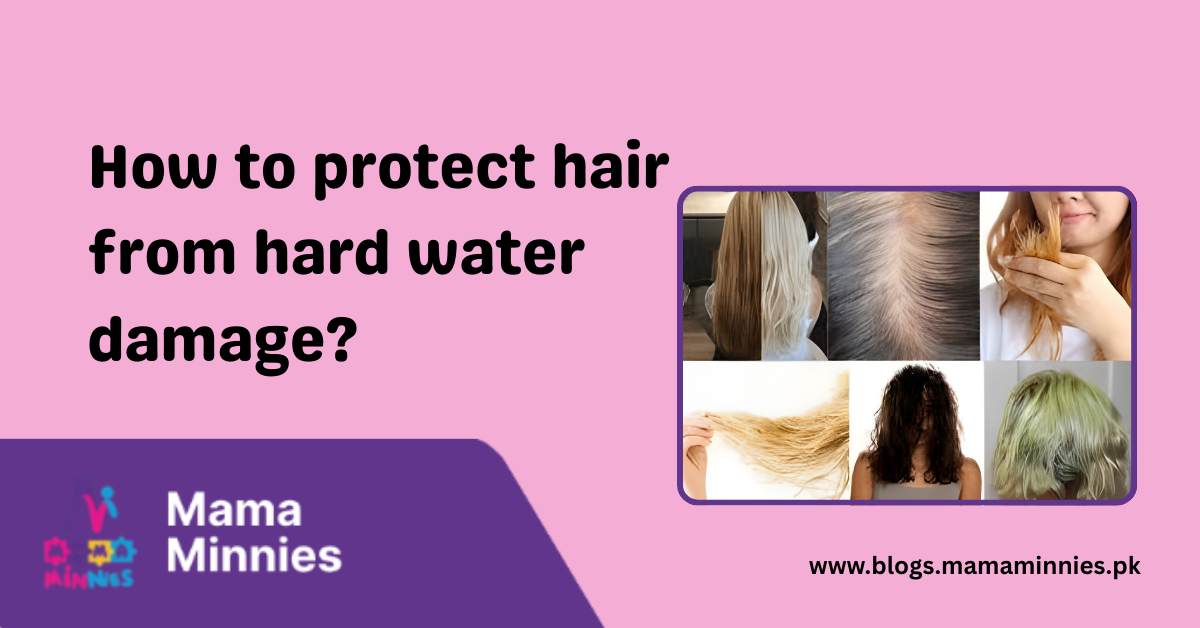
If you live in a region where the water is rich in minerals, what is commonly known as hard water, you might be unknowingly fighting a daily battle to protect hair, dry, and brittle hair. Hard water can sabotage even the most dedicated hair care routine, leading to color fade, decreased manageability, and uncomfortable scalp issues.
This guide is your ultimate resource for understanding how hard water affects your hair and, more importantly, providing practical, effective strategies to protect your locks and restore their natural softness and shine.
Common Signs Your Hair Is Affected
Identifying the problem is the first step toward fixing it. If you notice any of the following, hard water is likely the culprit:
- Hair that feels rough, straw-like, or overly dry, even after conditioning.
- A persistent film or residue that makes hair feel sticky or heavy.
- Rapid fading or brassiness in color-treated hair.
- Shampoo that doesn’t foam or lather easily, requiring you to use more product.
- A dull, lifeless appearance with a noticeable lack of shine.
Why Protecting Hair from Hard Water Matters
Ignoring hard water damage leads to a vicious cycle. The mineral buildup prevents nourishing products from penetrating the hair shaft, so your expensive conditioners and masks are essentially sitting on a stone-like barrier. Protecting your hair ensures that your care routine can actually deliver its intended benefits, preserving the hair’s internal moisture and external smoothness.
What Does Hard Water Do to Your Hair?
The mechanism of hard water damage is physical and chemical, creating multiple problems simultaneously.
Mineral Buildup on the Scalp and Hair Shaft
When hard water evaporates after washing, it leaves behind mineral deposits. These minerals latch onto the hair shaft, forming a rough, scaly coating that creates friction between strands. On the scalp, this buildup can clog follicles, leading to inflammation and impeding healthy growth.
How Calcium and Magnesium Make Hair Dry and Rough
- Calcium: The primary culprit. It leaves a heavy, chalky residue that coats the hair, blocking moisture and making it feel stiff and rough, much like hard-water scale in a kettle.
- Magnesium: While often less impactful than calcium, magnesium contributes to the overall dullness and lack of shine by scattering light instead of reflecting it.
Impact on Hair Color, Shine, and Manageability
For those with colored hair, hard water is particularly frustrating. The mineral deposits can oxidize, leading to:
- Color Fading: Hard water strips away hair dye molecules faster.
- Brassiness: Minerals can react with the dye, causing blonde hair to turn greenish and dark hair to look muddy or brassy.
- Poor Manageability: The stiff mineral coating makes hair difficult to comb, style, and hold a curl, leading to more mechanical damage (breakage) from brushing.
How to Identify Hard Water Damage
Sometimes the signs are subtle, but they are always present when hard water is involved.
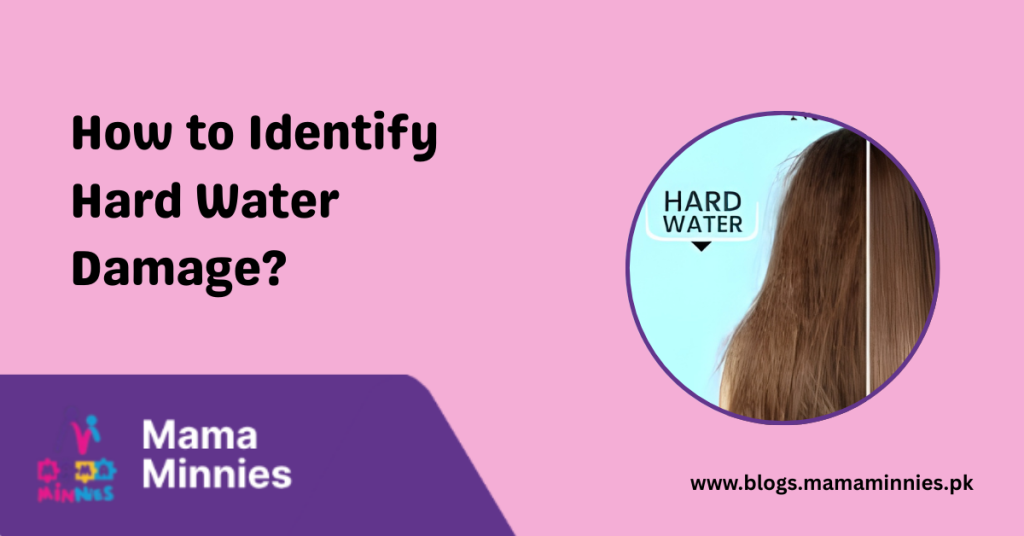
Hair Feeling Dry, Sticky, or Straw-Like
The hair feels rough to the touch, and even right after washing, it might not have the clean, soft slip you expect from wet hair. It might even feel greasy and sticky, as the mineral film traps residue.
Scalp Irritation and Flaking
Mineral residue can accumulate on the scalp, blocking pores and causing mild irritation, itching, and flaking that may be mistaken for dandruff. This buildup can also affect the balance of the scalp’s microbiome.
Soap Not Lathering Properly
This is the most reliable indicator. The positive ions in calcium and magnesium minerals react with the negative ions in soap and shampoo, forming a scummy film rather than a rich foam. If you need to use excessive amounts of shampoo to create a lather, you likely have hard water.
Best Ways to Protect Hair from Hard Water
A multi-step approach is required to both remove existing buildup and prevent future damage.
Using Chelating or Clarifying Shampoos
Chelating shampoos are specifically formulated with ingredients that bind to the calcium and magnesium ions, allowing them to be rinsed away.
- Clarifying shampoos (use once or twice a month) remove surface buildup, including styling product residue and some minerals.
- Chelating shampoos (use every 2–4 weeks) provide a deeper clean by chemically dissolving mineral scale. Using a high-quality product like Mama Minnie Clarifying Shampoo can make a dramatic difference after just one use, make hair smooth and shiny.
Applying Moisturizing Conditioners and Masks
Since hard water strips moisture, it is essential to re-infuse it. After clarifying, use rich, penetrating conditioners and deep moisture masks. Look for ingredients like shea butter, glycerin, and hyaluronic acid to replenish hydration deep within the hair shaft.
Switching to Sulfate-Free, Low-Mineral Products
Hard-water areas benefit from sulfate-free shampoos because they are gentler and less reactive with hard-water minerals. When choosing products, look for formulas that focus on moisture rather than harsh cleansers, which only exacerbate dryness.
Natural Remedies to Reduce Hard Water Effects
Nature provides gentle yet effective solutions for dissolving mineral buildup.
Apple Cider Vinegar Rinse to Remove Mineral Deposits
Apple Cider Vinegar (ACV) is slightly acidic, which is key. The low pH helps dissolve the mineral scale left by hard water while simultaneously sealing the hair cuticle.
- Method: Mix 1 part ACV with 4 parts water. After shampooing, pour the mixture over your hair, massage it in, and let it sit for 2–3 minutes before rinsing lightly. Use weekly.
Lemon Water Rinse for Shine and Softness
Lemon juice contains citric acid, another gentle chelating agent that breaks down mineral bonds.
- Method: Squeeze the juice of half a lemon into two cups of water. Use this as a final rinse. Be cautious, as lemon can slightly lighten hair with frequent use, especially when exposed to the sun.
Aloe Vera Gel for Hydration and Scalp Relief
Aloe vera is moisturizing and anti-inflammatory. It helps soothe scalp irritation caused by mineral buildup and restores moisture that hard water has stripped away. Apply pure aloe vera gel directly to the scalp and ends before conditioning.
Long-Term Solutions for Hard Water Hair Care
In hair care, while rinses and shampoos help, addressing the source of the water provides the most lasting protection.
Installing a Shower Filter: This is often the most cost-effective and immediate solution. A good shower filter attaches directly to your showerhead and uses various media (like KDF or carbon) to reduce the concentration of chlorine, heavy metals, and, most importantly, calcium and magnesium. While not as effective as a whole-house softener, they significantly mitigate daily damage.
Using Softened or Purified Water for Final Rinse: For the most dedicated care, some individuals keep a gallon of filtered, bottled, or previously boiled/cooled water near the shower. Using this softened water for the final rinse ensures that no new minerals are left behind after your hair is clean.
Maintaining a Regular Clarifying Routine: Even with a shower filter, some mineral residue can sneak through. Schedule a clarifying or ACV rinse every 2–3 weeks, depending on your water hardness, to ensure consistent buildup removal before it causes noticeable damage.
Daily Habits That Reduce Hard Water Damage
Small changes to your routine can offer big protective benefits.
Oiling Hair Before Shower
Applying a light layer of oil (like coconut or olive oil) to your hair 15–30 minutes before stepping into the shower creates a protective hydrophobic barrier. This barrier reduces the ability of hard water minerals to penetrate and bind to the hair shaft.
Avoiding Excessive Heat Styling
Since hard water already weakens the hair and strips moisture, adding intense heat from blow dryers or irons compounds the damage. Air-dry whenever possible and always use the lowest effective heat setting.
Using Leave-In Serums for Protection
A silicone-free, moisture-sealing leave-in serum provides a final layer of defense. It not only locks in the moisture from your conditioner but also acts as a physical shield against environmental factors and further mineral contact.
Common Mistakes That Make Hard Water Damage Worse
Avoid these pitfalls to maximize your hair’s health.
Overusing Clarifying Shampoos
While clarifying shampoos are necessary, using them too often (more than once a month without a filter) can strip your hair of all its oils, leading to chronic dryness and breakage. Balance clarifying with deep conditioning.
Skipping Conditioner
Hard water is highly drying. Skipping conditioner is a serious error as it leaves the cuticle exposed and thirsty for moisture. Always follow shampooing with a moisturizing conditioner.
Leaving Mineral Buildup Untreated for Too Long
Allowing months of mineral buildup to accumulate will make your hair brittle, cause serious color shifts, and lead to breakage. Regular, proactive maintenance (rinses, clarifying) is crucial.
When to See a Dermatologist or Hair Specialist
While hard water is common, it can sometimes mask or complicate other health problems.
Severe Scalp Itching or Redness: If flaking or itching doesn’t resolve with clarifying rinses and moisturizing products, you may have a chronic scalp condition (like seborrheic dermatitis) that requires medical diagnosis and treatment.
Persistent Hair Breakage: If you notice excessive, persistent breakage or sudden hair loss, hard water may be a contributing factor, but an underlying nutritional deficiency or hormonal issue could be the primary cause. A specialist can run tests to determine the root problem.
Allergic Reactions to Treatments or Rinses: Even natural remedies can cause sensitivity. If you experience unexpected redness, swelling, or pain from any rinse or product, discontinue use immediately and seek professional advice.
FAQs
How do I know if my water is hard or soft?
If shampoo doesn’t lather well, soap leaves residue on fixtures, and your hair feels rough or dull, it is highly likely that your water is hard.
Can hard water cause dandruff?
Yes, mineral buildup can irritate the scalp and lead to flakiness and itching that is often mistaken for or complicates dandruff (seborrheic dermatitis).
Is apple cider vinegar safe for regular use?
Yes, when diluted properly (1 part ACV to 4 parts water), it can be used weekly or bi-weekly to safely and effectively remove mineral buildup.
Does a shower filter really help with hard water?
Yes, high-quality filters significantly reduce mineral deposits, chlorine, and heavy metals, protecting hair from dryness and color fade.
Can oiling prevent hard water damage?
Oiling hair before showering creates a protective layer around the hair shaft, reducing the absorption of minerals and the damage they cause.
Conclusion
Hard water presents a significant challenge to achieving and maintaining beautiful, healthy hair, but it is not an insurmountable obstacle. By understanding the roles of calcium and magnesium, implementing regular clarifying rinses, such as the simple ACV rinse, and investing in long-term solutions like shower filters, you can neutralize the drying and dulling effects of mineral buildup.
Commit to this proactive, protective routine, and you will soon rediscover the soft, shiny, and vibrant hair you deserve.
Latest Post:
- What to do if the scalp burns after treatment?
- Can pregnant women use lice shampoos safely?
- Are Mama Minnie’s products dermatologist tested?
- Can anti-lice shampoo cause hair loss?
- Which is better herbal or medicated shampoo?