
Introduction
A flaky scalp is one of the most common and persistent hair-care complaints, often leading to discomfort, itching, and self-consciousness. While many people immediately reach for a standard anti-dandruff shampoo, the reality is that not all flakes are created equal. Flaking can be a simple matter of dryness exacerbated by weather and dehydration, or it could signal a more complex condition, such as genuine dandruff (seborrheic dermatitis). Understanding the root cause is the critical first step to finding relief.
This essential guide will dissect what causes a flaky scalp in the first place, help you identify the key differences between dryness vs. dandruff, and provide a detailed, step-by-step look at the top natural remedies including aloe vera, coconut oil, and apple cider vinegar that you can safely use at home to fix a flaky scalp fast and establish daily habits for long-term health.
What Causes a Flaky Scalp in the First Place?
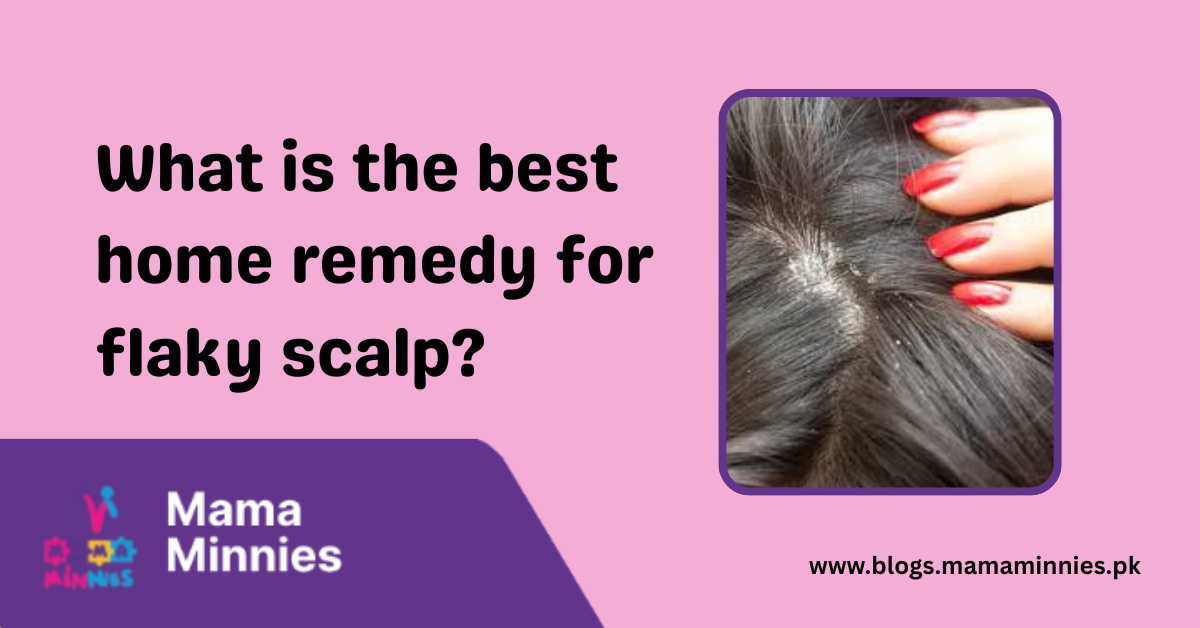
A flaky scalp is a common, often frustrating issue characterized by the shedding of small white or yellowish skin particles. While most people immediately assume the cause is dandruff, the reality is that flaking can stem from several distinct underlying dermatological conditions or simple environmental factors. Understanding the root cause is the critical first step to effective treatment.
Common Triggers Behind Flakes
The skin on your scalp, like the rest of your body, is constantly renewing itself. Flaking occurs when this renewal process is either accelerated or when the natural balance of moisture and microbes is disrupted.
- Seborrheic Dermatitis (Dandruff): This is the most common culprit. It’s caused by an overgrowth of a naturally occurring yeast called Malassezia globosa. This yeast feeds on the sebum (oil) produced by the hair follicles. For people sensitive to it, the process irritates the scalp, leading to rapid skin cell turnover and the formation of large, oily, yellowish flakes.
- Dry Scalp: Often confused with dandruff, a genuinely dry scalp occurs when the skin lacks sufficient moisture. This is typically caused by cold, dry weather, using harsh or overly hot water, or not drinking enough water. The resulting flakes are small, fine, and white, often falling off your hair like tiny, dry dust.
- Contact Dermatitis: an allergic reaction or irritation caused by a specific product. Common irritants include ingredients found in certain shampoos, conditioners, hair dyes, styling products (like alcohol), or even common preservatives and fragrances. The reaction causes the scalp to become red, itchy, and irritated, leading to flaking.
- Psoriasis: A chronic autoimmune condition where skin cells multiply up to 10 times faster than normal. This causes a build-up of cells that form thick, silvery, scaled patches on the scalp, which are often raised and very itchy.
- Eczema (Atopic Dermatitis): An inflammatory skin condition that causes dryness, intense itching, and scaly patches on the scalp.
At Mama Minnies, we focus on gentle and effective hair care solutions that support scalp health for both kids and adults. Our formulas are designed to fight flakes while keeping the scalp moisturized and healthy. Combining these natural home remedies with scalp-friendly products from Mama Minnies can help you maintain long-lasting relief and stronger, healthier hair.
Dryness vs. Dandruff: Key Differences
While both conditions lead to flaking, treating them requires different approaches, making accurate self-diagnosis essential.
| Appearance of Flakes | Small, fine, white, dry, and often scattered. | Large, oily, sticky, and often yellowish or grayish. |
| Feel | Scalp feels tight, dry, and often mildly itchy. | Scalp often feels oily or greasy, with intense itching. |
| Hair Condition | Hair is typically dry and lacks shine. | Hair is often greasy or oily, even shortly after washing. |
| Cause | Lack of moisture, cold weather, dehydration, harsh products. | Overgrowth of the Malassezia yeast and excess sebum production. |
| Treatment Focus | Moisturizing, conditioning, and using gentle, hydrating products. | Antifungal shampoos (like zinc pyrithione or selenium sulfide) and anti-inflammatory treatments. |
Signs You Need a Deeper Scalp Treatment
While occasional, mild flaking is normal, certain signs indicate the need for a more intensive treatment regimen, either with home remedies or a specialized product:
- Intense, persistent itching that disrupts sleep or daily activities.
- Large, oily, or yellowish flakes (a clear sign of true dandruff).
- Redness, inflammation, or soreness on the scalp.
- Scabs or open sores from scratching (risk of infection).
- Flakes are worsening despite consistent use of a gentle shampoo.
If these severe symptoms persist for more than a few weeks, it is crucial to consult a dermatologist, as the cause may be a condition like psoriasis or eczema.
Top Natural Remedies to Fix a Flaky Scalp Fast
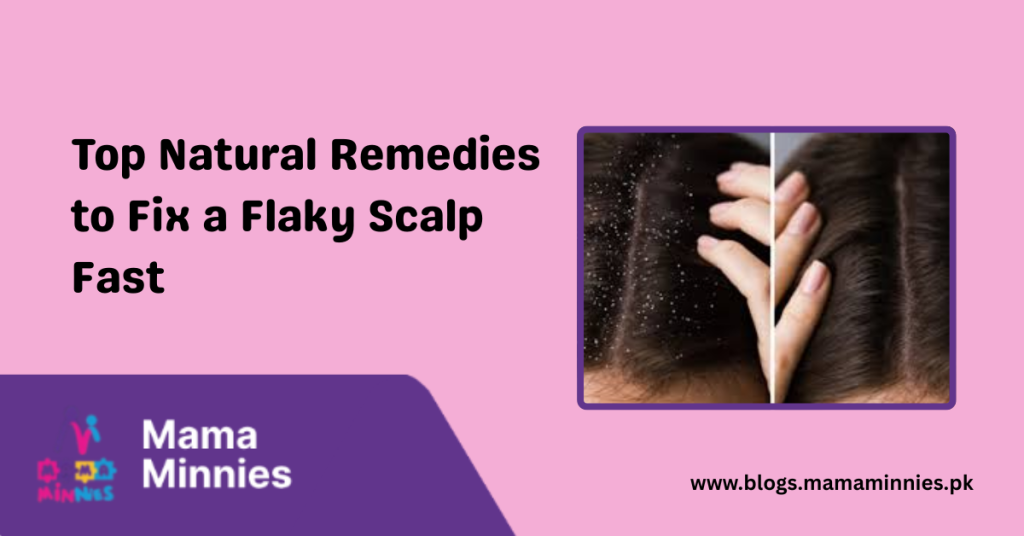
Nature provides several powerful ingredients that can effectively combat both dryness and dandruff by soothing irritation, reducing fungal growth, and restoring moisture. These remedies work safely and gently when applied correctly.
Home Ingredients That Work Safely
Many effective treatments can be found right in your kitchen or medicine cabinet. These ingredients often contain active compounds that address the root causes of flaking.
- Aloe Vera: Contains anti-inflammatory enzymes and highly hydrating properties.
- Coconut Oil: Rich in saturated fats that deeply moisturize and possess mild antifungal properties.
- Apple Cider Vinegar (ACV): An acidic wash that can help balance the scalp’s pH and reduce yeast overgrowth.
- Tea Tree Oil: A potent essential oil with scientifically backed antifungal and antibacterial capabilities.
Aloe Vera for Instant Scalp Relief
Aloe vera is a versatile plant-based remedy renowned for its cooling and healing properties, making it an excellent choice for an irritated, flaky scalp.
How Aloe Soothes Flakes
Aloe vera gel is packed with beneficial compounds:
- Anti-inflammatory: It contains enzymes such as bradykinase, which help reduce inflammation and itching associated with irritated scalps.
- Hydrating: Its high water content delivers deep, non-greasy moisture, perfect for a truly dry scalp.
- Antifungal: While mild, its properties can help keep the Malassezia yeast in check, offering relief from mild dandruff.
Best Way to Apply Aloe at Home
Using pure aloe vera gel is the most effective method. Ensure you are using a product that is at least 95% pure aloe and free of alcohol or excessive artificial fragrances, which can further irritate the skin.
How to Use Each Remedy Step-by-Step:
- Preparation: Purchase or harvest 2–3 tablespoons of pure aloe vera gel. If using an aloe leaf, cut it open and scoop out the clear gel.
- Application: Section your hair to expose the scalp. Using your fingertips or a cotton ball, gently massage the aloe vera gel directly onto the entire scalp. Focus on any particularly flaky or red areas.
- Wait Time: Leave the aloe on for 30 to 60 minutes. You will feel a cooling sensation.
- Rinse: Wash your hair with a mild, sulfate-free shampoo.
- Frequency: Repeat this treatment 1–2 times per week.
Coconut Oil for Deep Nourishment
Coconut oil is a time-tested remedy, particularly effective for a flaky scalp caused by dryness due to its unparalleled moisturizing ability.
Why Coconut Oil Works on Dry, Flaky Scalps
- Deep Penetration: Coconut oil is primarily made up of medium-chain fatty acids, specifically lauric acid. This structure allows it to penetrate the hair shaft and the skin barrier deeply, providing superior, long-lasting moisture compared to most other oils.
- Emollient: It acts as an excellent emollient, sealing in moisture and creating a protective barrier on the scalp to prevent further water loss. This softens dry, hard flakes, making them easier to remove during washing.
- Mild Antifungal Action: Lauric acid also has mild natural antifungal and antibacterial properties, offering secondary benefits for managing mild dandruff.
Massage Tips for Maximum Benefits
Massaging the oil into the scalp helps stimulate blood flow and ensures it’s distributed where it’s needed most. Simple DIY Remedy: Warm Coconut Oil Scalp Treatment
How to Use Each Remedy Step-by-Step:
- Preparation: Warm 2–3 tablespoons of organic, unrefined coconut oil until it’s liquid, but not hot (test a drop on your wrist).
- Application: Section your hair and apply the oil directly to the scalp, working from the hairline back to the nape of the neck.
- Massage: Use the pads of your fingers (not your fingernails) to massage the oil into your scalp in small, gentle, circular motions for 5–10 minutes. This aids absorption and helps lift dead skin cells.
- Wait Time: Cover your hair with a shower cap or warm towel to trap heat and aid penetration. Leave it on for at least 30 minutes, or ideally overnight, for maximum hydration.
- Rinse: Shampoo your hair thoroughly, which may require two washes to remove all the oil, especially if you have fine hair.
- Frequency: Use 1 time per week as a deep conditioning and moisturizing treatment.
Apple Cider Vinegar Rinse for Scalp Balance
Apple Cider Vinegar (ACV) is a powerful clarifier that can help rebalance a flaky scalp, making it an excellent dual remedy for both dryness and dandruff.
How ACV Helps Reduce Build-Up
ACV is effective because of its high acidity, specifically due to acetic acid.
- pH Balancing: The natural pH of a healthy scalp is slightly acidic.ACV helps restore this natural balance, making the scalp a less hospitable environment for the Malassezia yeast that thrives in alkaline, oily conditions .
- Clarifying/Exfoliating: The acid gently breaks down product residue, hard-water mineral deposits, and excess sebum (oil), which often clump together to form noticeable flakes. This action helps clear clogged pores and promotes a cleaner, healthier scalp.
- Antimicrobial: Acetic acid acts as a natural antimicrobial agent, directly targeting the overgrowth of yeast and bacteria that contribute to dandruff and irritation.
Safe Dilution Ratios for Sensitive Scalps
ACV must always be diluted before application to the scalp to prevent irritation and burning. Never apply it undiluted.
Simple DIY Remedy: ACV Scalp Rinse
How to Use Each Remedy Step-by-Step:
- Preparation: Mix 1 part organic Apple Cider Vinegar with 3-4 parts cool water (e.g., 1/4 cup ACV to 3/4 cup water). Use a plastic spray bottle or pour it into a cup with a spout. For very sensitive scalps, use a 1:5 ratio (1 part ACV to 5 parts water).
- Application: After shampooing and conditioning your hair (or before conditioning), slowly pour or spray the diluted mixture onto your entire scalp, making sure not to get it in your eyes.
- Massage & Wait Time: Gently massage the solution into your scalp for a minute. Let it sit for 5–10 minutes.
- Rinse: Rinse your hair thoroughly with cool water. The vinegar smell will dissipate as your hair dries.
- Frequency: Use this rinse once every 1–2 weeks as an exfoliating and balancing treatment.
Tea Tree Oil for Gentle Flake Control
Tea tree oil, extracted from the leaves of the Australian Melaleuca alternifolia plant, is one of the most clinically studied natural remedies for dandruff due to its powerful properties.
Natural Antifungal Properties
The primary compound in tea tree oil is terpinen-4-ol, which is responsible for its potent antimicrobial action.
- Targeting Yeast: Studies have shown that tea tree oil is highly effective at inhibiting the growth of Malassezia globosa, the yeast primarily responsible for dandruff. Keeping the yeast population in check directly reduces rapid cell turnover, which causes large flakes.
- Soothing Irritation: It also has anti-inflammatory properties that help reduce redness and itching associated with an irritated scalp.
Best Oils to Mix With Tea Tree Oil
Crucially, Tea Tree Oil must NEVER be applied undiluted directly to the skin, as it can cause severe irritation. It must always be mixed with a “carrier oil.”
- Best Carrier Oils:
- Coconut Oil: Excellent for dry scalps, providing a dual-action moisturizing and antifungal treatment.
- Jojoba Oil: Closely mimics the scalp’s natural sebum, making it highly compatible with both dry and slightly oily scalps.
- Sweet Almond Oil: Light and non-greasy, ideal for fine or easily weighed-down hair.
- Simple DIY Remedy: Tea Tree Oil Spot Treatment (for dandruff)
- How to Use Each Remedy Step-by-Step:
- Preparation: Mix 5-10 drops of pure tea tree essential oil with 2 tablespoons of your chosen carrier oil (coconut, jojoba, or almond). This creates a safe 2-5% dilution.
- Application: Apply the mixture directly to the flaking areas of your scalp using an eyedropper or your fingertips.
- Massage & Wait Time: Gently massage it in for 2 minutes. Leave it on for at least 30 minutes or overnight.
- Rinse: Shampoo thoroughly, then apply conditioner.
- Frequency: Use 1–2 times per week. Alternatively, you can add 3-5 drops of tea tree oil directly into your regular shampoo bottle and shake well.
Daily Habits to Prevent a Flaky Scalp
Treating a flaky scalp is only half the battle; maintaining a healthy environment is key to long-term prevention. Simple adjustments to your routine and lifestyle can make a major difference.
Easy Hair-Care Routine Adjustments
- Shampoo Frequency: If your scalp is truly dry, you may be over-shampooing, stripping it of its natural oils. Try washing every 2–3 days. If you have dandruff (oily flakes), regular washing is necessary to control oil/yeast build-up.
- Use a Sulfate-Free Shampoo: Sulfates (like Sodium Lauryl Sulfate) are harsh detergents that can strip the scalp’s moisture barrier, leading to dryness and irritation. Opt for gentle, sulfate-free formulas.
- Temperature Control: Avoid very hot water when washing your hair. High temperatures irritate and dry out the scalp, triggering flaking. Use lukewarm water for washing and a cool rinse to close the hair cuticles.
- Rinse Thoroughly: Ensure you rinse all shampoo and conditioner residue out of your hair. Leftover product can create a film that irritates the scalp and contributes to flaking and buildup.
- Clean Your Tools: Regularly clean your hairbrushes and combs to remove product residue, dead skin cells, and oil that can transfer back to your clean scalp, reintroducing yeast and bacteria.
Lifestyle Habits That Support Scalp Health
The health of your scalp is intrinsically linked to your overall health.
- Manage Stress: Stress is a known trigger for many skin conditions, including dandruff and eczema, by altering the immune system and increasing inflammation. Incorporate stress-reducing activities like meditation, yoga, or exercise.
- Stay Hydrated: Just like the rest of your skin, a dry scalp benefits from internal hydration . Drink plenty of water throughout the day.
- Balanced Diet: A diet rich in Omega-3 fatty acids (found in fish, flaxseed, and walnuts) and B vitamins (found in whole grains, eggs, and lean meats) supports healthy skin barrier function and helps manage oil production.
- Limit Styling Products: Excessive use of gels, mousses, and hairsprays can build up on the scalp, clog pores, and cause irritation that leads to flaking. When you do use them, ensure they are not directly applied to the scalp.
When Home Remedies Aren’t Enough
While natural remedies are highly effective for mild to moderate flaking and dryness, certain chronic or severe conditions require professional medical intervention.
Signs You Need Medical Treatment
Consult a dermatologist if you experience any of the following:
- No Improvement: Your flaking, itching, and redness do not improve after 2–3 weeks of consistent use of over-the-counter (OTC) specialized shampoos or home remedies.
- Severe Symptoms: You develop thick, hard, or silvery scales (potential psoriasis), or patches that weep, bleed, or appear infected.
- Hair Loss: You notice significant hair thinning or loss in the affected areas.
- Spreading: The rash or flaking spreads beyond the scalp (e.g., to the face, ears, or chest).36
Conditions That Mimic Scalp Flaking
A doctor can accurately diagnose and treat more complex scalp conditions that look like severe dandruff:
- Psoriasis: Requires specific prescription treatments, often involving corticosteroids, vitamin D analogues, or light therapy.
- Tinea Capitis (Scalp Ringworm): A fungal infection that causes scaly, bald patches. This is highly contagious and requires oral antifungal medication.
- Severe Seborrheic Dermatitis: May require prescription-strength antifungal shampoos, topical steroids, or calcineurin inhibitors.
Conclusion
A flaky scalp is a common, manageable condition. The key to successful treatment is correctly identifying the cause, be it simple dryness, which responds well to moisturizing coconut oil and aloe vera, or dandruff (seborrheic dermatitis), which benefits from the antifungal and balancing properties of tea tree oil and apple cider vinegar.
By combining targeted natural remedies with positive daily hair-care and lifestyle habits, you can restore your scalp to a state of comfort and health. Remember to seek professional help if your symptoms are persistent or severe.
Common Questions Answered
What is the best home remedy for a flaky scalp?
Aloe vera, coconut oil, and apple cider vinegar are top choices for soothing flakes naturally. Aloe vera is great for instant relief, coconut oil for deep dryness, and ACV for balancing pH and reducing build-up.
Can coconut oil remove a flaky scalp?
Yes, it is highly effective. Coconut oil moisturizes dry skin due to its high lauric acid content and helps loosen dead flakes, making them easier to wash away.
Is apple cider vinegar good for dandruff and flakes?
ACV is excellent. It balances scalp pH, and acetic acid helps reduce fungal/yeast buildup that causes oily, persistent flaking (dandruff).
How often should I use home remedies for a flaky scalp?
Most remedies can be used 1–2 times a week for best results. Overuse, especially of acidic rinses or heavy oils, can sometimes lead to irritation or product build-up.
Can a flaky scalp be caused by shampoo?
Yes, harsh or drying shampoos, particularly those containing sulfates, can strip the scalp of its natural moisture and oils, triggering dryness and subsequent flakes.
Does tea tree oil help with scalp flakes?
Absolutely. Its natural antifungal and soothing benefits (due to the compound terpinen-4-ol) help to effectively reduce the yeast overgrowth and irritation associated with severe flaking and dandruff.
How do I know if my flaky scalp is dandruff or dryness?
Dry flakes are small, light, and white, and the scalp feels tight. Dandruff flakes are large, oily, sticky, and often yellowish, and the scalp feels greasy.
Can stress cause a flaky scalp?
Yes, stress can significantly worsen a flaky scalp. It can trigger dryness, irritation, and exacerbate underlying conditions like seborrheic dermatitis (dandruff) by affecting the immune response.
Fresh Updates:
- What to do if the scalp burns after treatment?
- Can pregnant women use lice shampoos safely?
- Are Mama Minnie’s products dermatologist tested?
- Can anti-lice shampoo cause hair loss?
- Which is better herbal or medicated shampoo?