
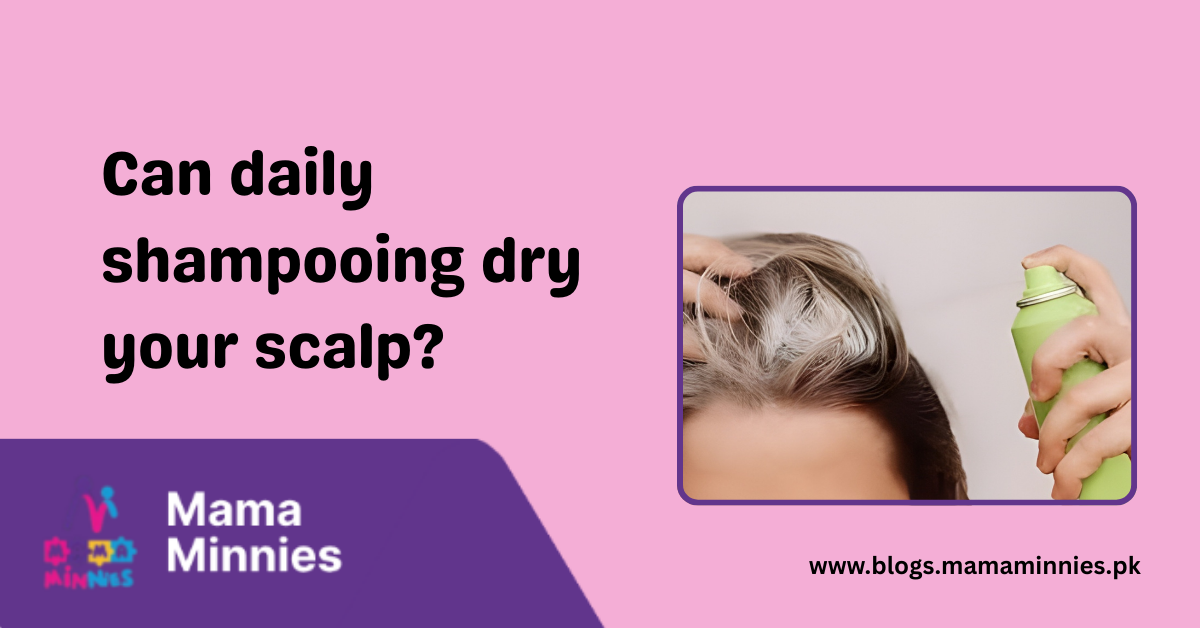
Introduction to Daily Shampooing and Scalp Health
For many, a shower feels incomplete without the refreshing lather of a daily shampoo. The ritual of washing hair every morning is deeply ingrained in modern hygiene. However, this trend often clashes with the scalp’s delicate needs. The scalp is the sensitive foundation for healthy hair and relies on balance and a protective layer of natural oils (sebum).
Consistent, frequent washing hair, especially with stripping products, can cause a common concern: scalp dryness. Understanding how shampooing frequency affects this balance is key to avoiding irritation, flaking, and long-term hair damage. This guide explores the science of sebum, shows the signs of an overly dry scalp, and provides practical strategies for cleansing without compromising scalp health.
What Happens to Your Scalp When You Shampoo Daily?
The main issue is the disruption of the scalp’s protective barrier.
How Frequent Washing Strips Natural Oils
- Sebum Reduction and Scalp Dehydration: Sebum is the natural, oily substance produced by the sebaceous glands. It acts as a lubricant and a protective shield, locking moisture into the skin. Daily washing, especially with strong cleansers, removes this sebum before the glands can replenish it. This leaves the scalp dehydrated, tight, and vulnerable.
- Impact on Hair Texture and Moisture: When the scalp is dry, the hair closest to the scalp’s root loses its protective oil coating, leading to increased frizz, dullness, and a tendency toward breakage because it lacks natural lubrication.
Role of Harsh Ingredients in Drying the Scalp
- Ingredients like Sodium Lauryl Sulfate (SLS) and Sodium Laureth Sulfate (SLES) are powerful cleaners that remove oil and make a lot of foam. They clean well but aren’t picky they remove dirt and also the scalp’s important natural oils.
- How These Chemicals Disrupt Natural Scalp Balance: Aggressive stripping harms the scalp’s acid mantle, its slightly acidic barrier. This can trigger inflammation and make the skin more vulnerable to microbial overgrowth, paradoxically worsening flaking.
Signs Your Scalp Is Too Dry
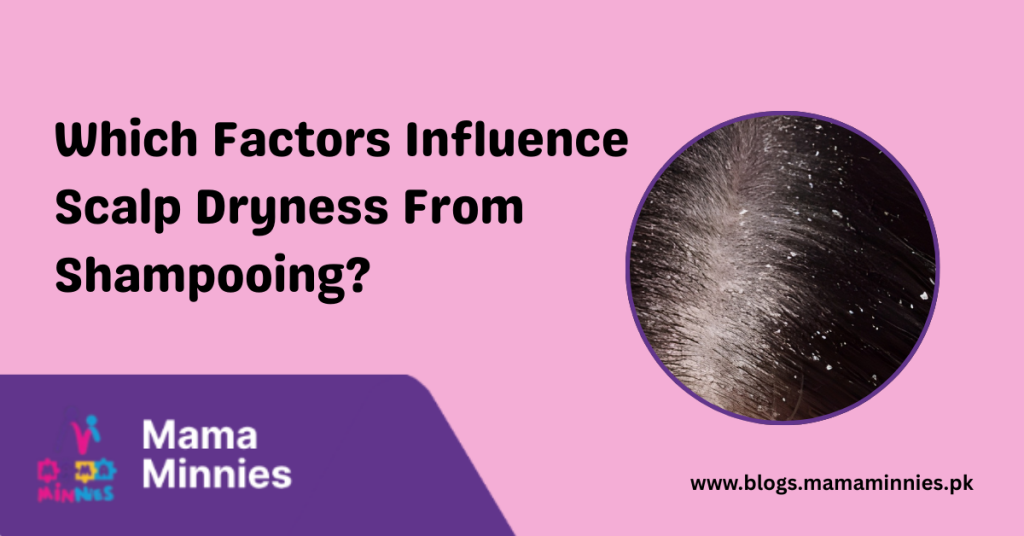
- Flaking, Itchiness, and Tightness: The most obvious signs. Flaking occurs as the upper layer of skin sheds due to a lack of moisture, and itchiness is the body’s inflammatory response to irritation.
- Increased Sensitivity and Hair Breakage: Dry skin is more reactive to product application, and the hair shaft becomes brittle and prone to snapping near the root.
Difference Between Scalp Dryness and Dandruff
It’s crucial to distinguish between the two, as treatment is different:
- Dry Scalp: Dry scalp caused by a lack of moisture. Flakes are typically small, white, dry, and fall easily. The scalp feels tight.
- Dandruff: This occurs when a certain type of fungus grows excessively due to excess oil. Dandruff flakes are larger, appear slightly yellow, feel greasy, and often stick to hair.
When Daily Shampooing Worsens Scalp Issues:
If your flaking is due to dryness, daily shampooing strips more oil, worsening the condition. If you have oily dandruff, daily use of a medicated shampoo may be necessary, but only under a dermatologist’s advice.
Which Factors Influence Scalp Dryness From Shampooing?
The effect of daily washing your hair is highly individual.
Hair Type and Texture
- Curly, Coarse, or Dry Hair: These types are naturally less oily and absorb moisture more slowly, making them highly susceptible to dryness from daily washing.
- Straight, Fine, or Oily Hair: These types need more frequent cleansing to manage oil, but still benefit from switching to ultra-gentle, non-stripping formulas.
Climate and Environmental Conditions
- Hot, Cold, and Dry Weather Effects on Scalp Moisture: Dry, cold winter air or intense summer sun both draw moisture from the scalp. This increases the need for less frequent, more moisturizing washes.
Shampoo Type and Ingredients
- Sulfate-Free vs. Regular Shampoos: Sulfate-free shampoos use milder surfactants and are significantly less likely to cause irritant dryness than traditional, sulfate-heavy formulas.
- Herbal and Moisturizing Alternatives: Shampoos enriched with hydrating plant extracts (aloe vera, coconut milk, and glycerin) are better suited for daily or frequent use.
How to Shampoo Without Drying Your Scalp
Modify your product choice and technique.
Choosing Gentle, Hydrating Shampoos
- Ingredients That Retain Moisture: Look for humectants like glycerin and light, conditioning agents like panthenol or shea butter.
- Avoid Strong Detergents: Strictly avoid shampoos that list SLS or SLES high on the ingredient list. Choose brands balanced for a gentle clean and maximum hydration. When looking for a product with both a gentle cleansing base and deep moisturizing properties, a hydration-focused line such as Mama Minnies provides a safer foundation for frequent washing.
Proper Shampooing Techniques
- How Often to Wash for Your Hair Type: Aim for 2–4 times per week, depending on your oil production. Try skipping a day or two to let your sebum rebalance.
- Temperature of Water and Lathering Tips: Use lukewarm water; hot water is extremely drying. Concentrate the lather only on the scalp, and let the rinse water gently clean the ends of the hair.
Conditioning and Post-Wash Care
- Using Lightweight Conditioners and Scalp Oils: Always use a conditioner on the mid-lengths and ends after washing. If your scalp is dry, massage in a few drops of light carrier oil, like jojoba or Argan, after drying to lock in moisture.
- Protecting Scalp Barrier and Hydration: Apply heat protectants before styling and avoid excessive use of heat tools, which further dehydrate the scalp and hair
Alternatives to Daily Shampooing
These methods allow you to feel fresh without stripping your scalp.
Co-Washing or Conditioner-Only Washing
- Benefits for Curly or Dry Hair: Co-washing uses moisturizing conditioners with a low concentration of mild cleansing agents. This method is excellent for refreshing very dry or curly hair without removing necessary natural oils.
Dry Shampoo Options
- Reducing Wash Frequency While Controlling Oil: Dry shampoo absorbs excess oil at the root, allowing you to extend the time between full washes. This wash frequency reduces chemical exposure and preserves scalp moisture.
Weekly Scalp Treatments
- Natural Oils and Masks for Moisture Balance: Use a moisturizing pre-wash oil mask (like warm olive or almond oil) once a week, applied 30 minutes before shampooing, to replenish lipids and soothe chronic dryness.
When to Consult a Dermatologist?
Professional advice is necessary for persistent, unexplained issues.
Persistent Dryness or Flaking
If flaking and itching continue despite reducing wash frequency and switching to gentle, moisturizing products, the issue may be Seborrheic Dermatitis, psoriasis, or Eczema, and a medical diagnosis and prescription treatment may be required.
Signs of Irritation or Infection
Seek immediate help if you notice pus, weeping lesions, fever, severe pain, or red streaks.
Hair Loss or Sensitivity Concerns
If chronic dryness is accompanied by noticeable hair thinning or extreme tenderness, consult a specialist to ensure the health of the hair follicle is not permanently compromised by inflammation.
Frequently Asked Questions
Does shampooing every day dry out your scalp?
Yes, for most people, shampooing every day, especially with traditional shampoos containing strong sulfates, can aggressively strip natural oils (sebum), leading to dryness, tightness, and flaking.
Can sulfate-free shampoo prevent dryness?
Yes. Sulfate-free shampoos use milder surfactants that cleanse without stripping the scalp’s protective moisture barrier, making them a much better choice for frequent washing or naturally dry hair.
How often should dry hair be washed?
Dry hair should ideally be washed 2 to 3 times per week at most to allow natural oils time to replenish and hydrate the scalp and hair shaft.
Does hot water make scalp dryness worse?
Yes. Hot water is extremely dehydrating because it lifts and dissolves natural oils (sebum) more effectively, leaving the scalp drier and more prone to irritation and flaking. Use lukewarm water instead.
Are herbal shampoos better for daily use?
Herbal shampoos are generally better for daily use than chemical ones because they typically contain milder cleansing agents and nourishing plant extracts that help maintain, rather than strip, the scalp’s moisture balance.
Conclusion
The pursuit of cleanliness should never come at the expense of scalp health. By shifting away from the rigid routine of daily, aggressive washing and adopting a practice guided by gentle ingredients and balanced techniques, you can effectively manage oil and dirt while preserving the integrity of your scalp’s natural moisture barrier.
Prioritize quality, moderation, and nourishment, and your scalp and hair will reward you with reduced irritation, less flaking, and improved long-term vitality.
Latest Post:
- What to do if the scalp burns after treatment?
- Can pregnant women use lice shampoos safely?
- Are Mama Minnie’s products dermatologist tested?
- Can anti-lice shampoo cause hair loss?
- Which is better herbal or medicated shampoo?