
Introduction
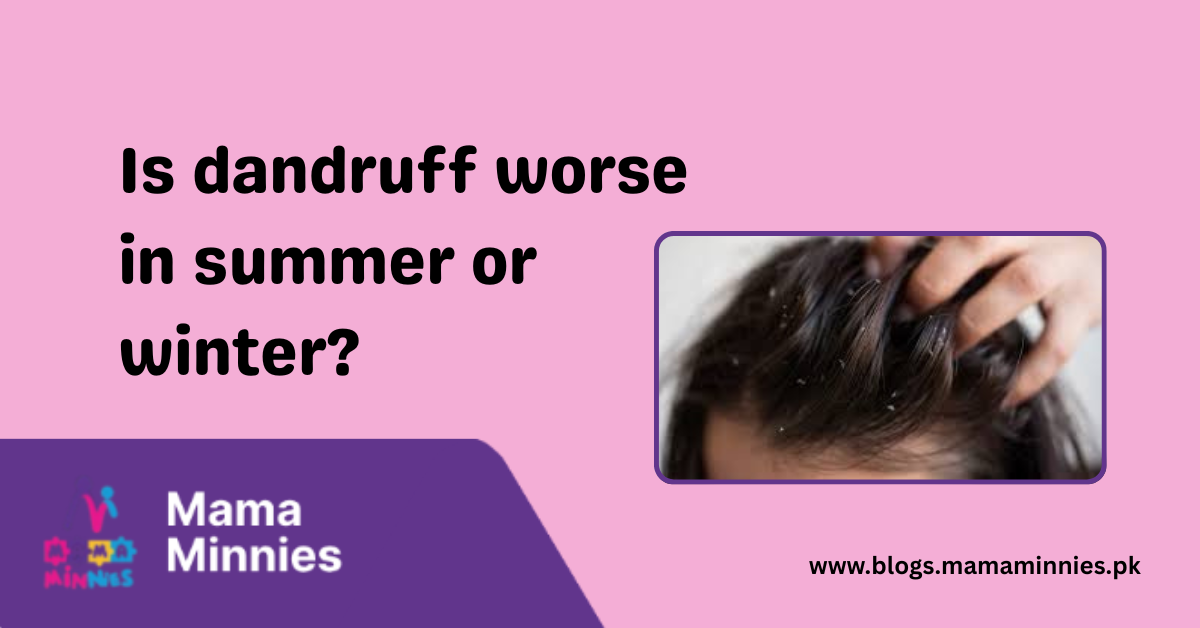
Raise your hand if your scalp seems to have its own mood swings depending on the season! One minute you’re enjoying a clear, calm scalp, and the next, you’re dealing with a fresh round of flakes when the weather changes. It’s a common question: Is dandruff truly worse when it’s freezing cold or when it’s hot and humid?
The honest truth is that dandruff is a tricky year-round challenge, but how it shows up and why it flares changes drastically between summer and winter. Each season presents a unique challenge to your scalp’s delicate balance. Understanding these differences is the secret weapon for keeping your head happy all twelve months!
The Key Takeaway: Defining “Worse” in Different Climates
Dandruff is caused by the Malassezia yeast, which feeds on oil. The climate doesn’t change the cause, but it changes the conditions that let the yeast thrive or, alternatively, the conditions that dry out and irritate your scalp.
In essence, winter often brings dryness-related flaking and irritation, while summer brings oil and sweat-fueled fungal overgrowth. Neither is ideal, but they require totally different solutions. It’s all about adapting your routine to fight the environmental factors at play!
The Role of Indoor Heating and Air Conditioning
We often forget that central heating in the winter and air conditioning in the summer have a major impact on our skin. Both indoor systems wick moisture away, creating a dry, artificial environment.
This constant shift between extreme outdoor and indoor temperatures can stress your scalp’s barrier. This often leads to increased sensitivity and makes your scalp more vulnerable to the inflammation that causes flaking.
What Makes Dandruff Worse During the Winter Months?
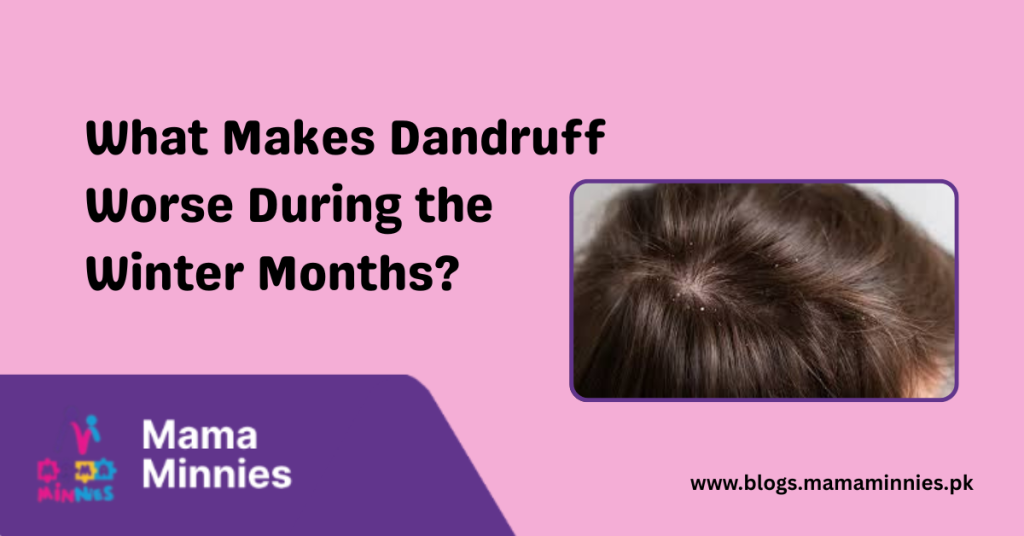
Winter is tough on skin, and your scalp is no exception! When the temperatures drop, your scalp often deals with a double whammy of environmental factors that encourage flaking.
The Impact of Cold, Dry Air on Scalp Hydration
When the air outside is cold, it holds very little moisture. This causes the water in your skin (including your scalp) to evaporate quickly. This is why your hands and legs might feel dry and itchy, and the same thing happens on your head.
This dryness makes the outer layer of your scalp brittle and prone to flaking off. You may start seeing smaller, whiter flakes that are generally a sign of extreme dryness rather than fungal activity.
Indoor Heating: Stripping the Scalp’s Protective Barrier
We all love snuggling up next to a hot radiator, but your scalp hates it! Constant exposure to indoor heating draws moisture out of your skin, often stripping the scalp’s natural protective layer.
When this barrier is compromised, your scalp becomes easily irritated and inflamed. This combination of dryness and irritation is a major trigger for dandruff flare-ups during the coldest months.
Understanding Summer Dandruff Flare-Ups and Humidity
While winter is about dryness, summer is all about the flip side: heat and humidity! These conditions create the perfect moist, warm environment for the dandruff-causing yeast to multiply rapidly.
Increased Sweating and Oil (Sebum) Production in Heat
When the weather heats up, your body produces more sweat and oil to cool you down. This increased sebum production is great news for the Malassezia fungus because it’s essentially serving up an all-you-can-eat buffet right on your scalp.
This leads to a different type of dandruff: the flakes are often larger, oilier, and can appear yellowish. The scalp may also feel heavier and oilier at the roots than usual.
Humid Environments: The Perfect Incubator for Yeast Growth
The combination of heat and high humidity traps moisture close to the scalp, especially if you have long or thick hair. This warm, damp environment is exactly what Malassezia loves to live in.
It’s similar to leaving a damp sponge out things grow quickly! The trapped moisture and oil create an ideal incubator, causing the yeast population to surge, leading to those frustrating summer breakouts.
At Mama Minnies, we know that scalp care is seasonal. That’s why our shampoos and scalp solutions are formulated to keep your hair healthy and flake-free all year, whether it’s cold winter or hot summer. Simple, safe, and suitable even for kids.
Practical Adjustments: Seasonal Changes in Your Hair Routine
The key to year-round scalp harmony is adjusting your product cabinet to fight the specific seasonal opponent. You can’t treat a dry scalp flare-up the same way you treat an oily, sweaty one!
Winter Focus: Boosting Moisture and Reducing Harsh Cleansers
In winter, your routine should be focused on gently cleansing and aggressively hydrating the skin barrier.
Key Winter Adjustments:
- Avoid: Shampoos with heavy sulfates that strip too much oil.
- Use: Creamier, hydrating anti-dandruff formulas (like those with zinc pyrithione).
- Try: Adding a lightweight, anti-fungal scalp tonic or serum to replenish moisture.
Summer Focus: Maximizing Cleansing and Controlling Oil
In summer, you need products that can cut through extra oil and sweat while still delivering the anti-fungal treatment.
Key Summer Adjustments:
- Increase: Washing frequency if your hair gets sweaty often.
- Use: Clarifying and gel-based medicated shampoos.
- Look For: Ingredients like salicylic acid to exfoliate and manage oil buildup.
The Importance of Consistent Medicated Shampoo Use Year-Round
Regardless of whether it’s summer or winter, your medicated shampoo is your steady foundation. Don’t stop using it just because the flakes temporarily disappear!
Using your medicated shampoo on a maintenance schedule (e.g., once or twice a week) all year long is the best way to keep the Malassezia population under constant control, preventing those frustrating seasonal flare-ups from ever taking hold.
Lifestyle Factors: How Diet, Stress, and UV Light Play a Role
External climate changes aren’t the only factors; your overall health and behavior also influence how your scalp reacts to the seasons.
Stress Management Across Seasons
Stress levels impact your immune system and can increase inflammation and oil production, regardless of the temperature outside. A stressful period, whether it’s tax season (winter) or wedding season (summer), can trigger a flare-up.
Finding healthy ways to manage stress, like meditation or exercise, is a powerful, year-round strategy for minimizing the chances of any kind of dandruff recurrence.
The Impact of Low Vitamin D in Winter
We get less natural sun exposure in the winter, which can lead to lower vitamin D levels. Vitamin D is essential for skin health and can help regulate inflammation.
If you struggle with winter dandruff, talk to your doctor about supplementing with vitamin D. Improving your levels might help calm your scalp’s inflammatory response during the cold months.
Protecting the Scalp from Harsh Summer Sun (UV Exposure)
While some sunlight can temporarily improve dandruff, too much sun exposure is harmful! A sunburned scalp becomes inflamed, dry, and irritated, which can actually worsen a dandruff condition.
Always protect your scalp in the summer: wear a hat, use a mineral sunscreen designed for the scalp, or keep your part covered. A damaged scalp barrier is an unhappy scalp barrier!
Frequently Asked Questions (FAQs)
1. Can switching between hot and cold air make my dandruff worse?
Yes. Rapid changes in temperature, like going from a freezing street into a superheated home—stress your scalp’s moisture barrier, leading to irritation and a greater chance of flaking.
2. Should I use a different type of shampoo in the summer than in the winter?
Ideally, yes. In winter, look for creamy, hydrating formulas. In summer, choose oil-controlling, gel-based, or clarifying shampoos to manage sweat and excess sebum.
3. Does wearing a tight hat in the winter cause dandruff?
A tight hat doesn’t cause dandruff, but it can worsen it! Trapping heat and sweat against the scalp creates a damp, warm environment, a perfect breeding ground for the Malassezia yeast, even in the cold.
4. Why does my scalp get red and itchy in the summer heat?
The redness and itchiness in summer are usually due to increased sweating, high humidity, and faster growth of the Malassezia yeast, which triggers a direct inflammatory reaction on the skin.
5. Is it true that dandruff often improves when I’m on a sunny vacation?
Yes, temporarily! The UV rays from the sun can slow the cell production cycle and inhibit fungal growth. However, this relief is usually short-lived, and you must still continue with medicated care.
6. Can I use a scalp oil during the winter to prevent dryness?
Yes, but be careful! Choose a light, non-comedogenic oil (like jojoba) and only use a few drops. Avoid leaving heavy oils on your scalp for long periods, as this can still feed the Malassezia fungus.
7. Does sleeping with wet hair in the summer lead to more flakes?
Absolutely! Sleeping with wet hair traps moisture and heat against your scalp for hours. This creates an extremely damp, dark environment that encourages the rapid multiplication of the dandruff yeast.
8. Do I need to wash my hair more frequently in the summer?
Yes, for most people. If you sweat or produce more oil in the summer, washing more frequently helps remove the excess sebum and sweat that fuels the Malassezia yeast.
Conclusion: Year-Round Scalp Harmony
Ultimately, dandruff is a year-round commitment, but the answer to whether it’s worse in summer or winter is: it’s worse when you stop adapting! Winter brings dryness and irritation, demanding moisture and gentle care. Summer brings oil and humidity, requiring thorough cleansing and oil control. By understanding the seasonal factors and adjusting your product lineup, you can maintain a calm, healthy, and flake-free scalp no matter the weather outside!
Latest Post:
- What to do if the scalp burns after treatment?
- Can pregnant women use lice shampoos safely?
- Are Mama Minnie’s products dermatologist tested?
- Can anti-lice shampoo cause hair loss?
- Which is better herbal or medicated shampoo?