
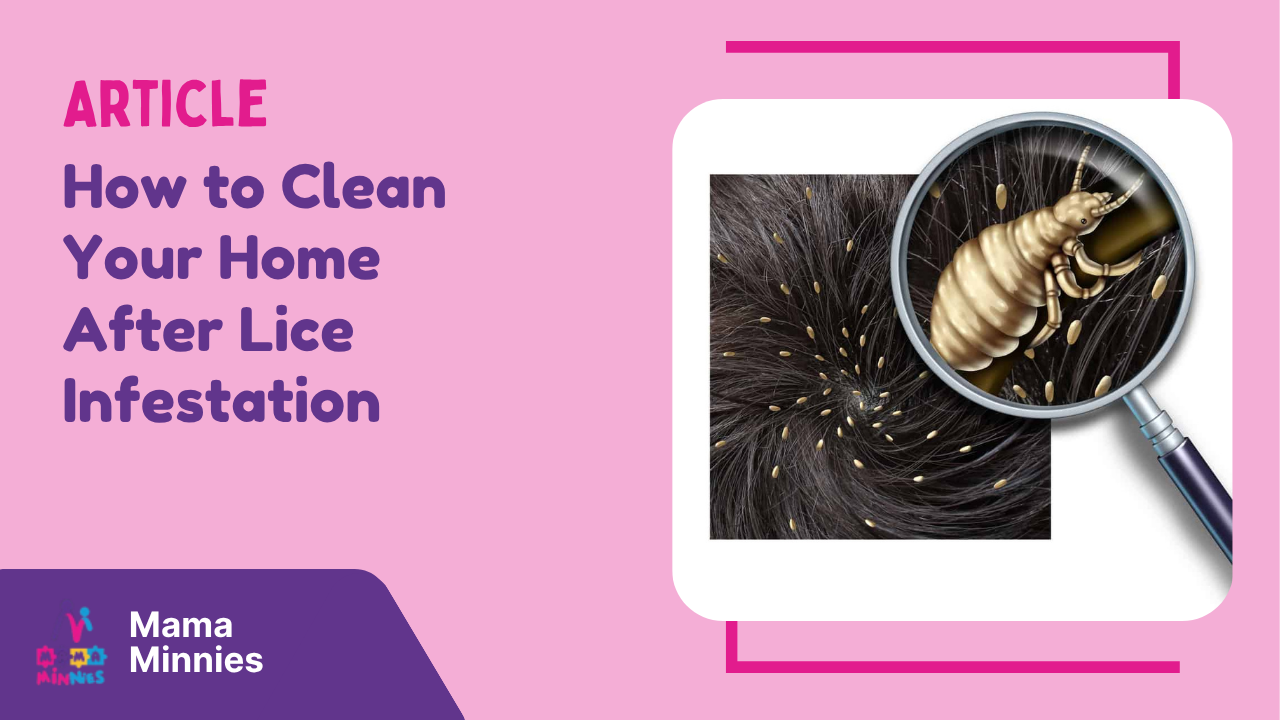
Introduction: Why Home Cleaning Is Crucial After Lice
You finally treated everyone’s hair, and the relief feels amazing, but wait, the battle isn’t quite over yet! While head lice live and feed on the scalp, they can easily crawl off onto bedding, furniture, hats, or even your car seats. And if those aren’t cleaned properly, lice can make a sneaky comeback, undoing all your hard work.
Most families make the mistake of stopping after hair treatment. They forget that lice and their eggs (nits) can linger around the home, hiding in fabrics, hairbrushes, and stuffed toys. That’s why cleaning your environment is just as important as treating your scalp.
Clean Your Home After Lice Infestation helps remove all traces of living or dead lice, ensuring no survivors start a new infestation cycle. With a few simple but consistent habits, you can keep your home (and family) truly lice-free for good.
Key takeaways:
- Lice can survive briefly off the scalp and reattach to humans through personal items.
- Nits can remain on bedding, clothes, or hairbrushes for days.
- Cleaning your environment disrupts the lice life cycle.
- Ongoing prevention ensures your home stays lice-free long-term.
Understanding How Lice Spread in the Home
Lice don’t fly, jump, or crawl across floors like other insects. Instead, they spread through direct head-to-head contact or by clinging onto items that come into close contact with hair. If someone in your family has lice, their bedding, towels, or clothing can act as temporary “transfer stations.”
In a household setting, it’s easy for lice to move from one person to another, especially if kids share pillows, hairbrushes, or cuddly toys. Since lice feed on blood, they can’t survive long without a host. However, their sticky eggs (nits) can cling tightly to hair strands or fall onto fabrics, waiting for the perfect moment to hatch.
That’s why it’s critical to clean every potential hiding spot. Neglecting even one area could allow a new generation of lice to begin.
If you want to understand exactly how long lice can survive in these conditions, visit our full guide onHow Long Do Lice Survive Without a Host it explains everything about their life cycle and survival patterns in detail.
Lice Eggs (Nits) and Their Stubborn Survival
Unlike adult lice, nits don’t die easily. They’re attached to hair shafts using a glue-like substance that’s waterproof and heat-resistant. Even after a strong lice treatment, some nits may remain intact.
If these hairs fall onto your bedding or clothes, those eggs can hatch within 7–10 days, restarting the infestation.
That’s why cleaning your home must be thorough and persistent it removes every trace of eggs before they hatch.
Step-by-Step Guide to Cleaning Your Home
After treatment, your home becomes part of the lice-free mission. Below is a step-by-step guide to ensure every corner is covered from pillows to hair ties and beyond.
Wash Bedding and Linens Thoroughly
Your bed is the first and most important area to tackle. Wash all pillowcases, sheets, duvets, and blankets in hot water (at least 130°F / 54°C). Lice and eggs cannot survive these temperatures. Then, dry everything on high heat for at least 30 minutes.
Don’t forget smaller items like throw pillows, couch blankets, and mattress covers. Anything that came into contact with the infested person’s hair must be sanitized.
If something can’t be washed — like delicate fabrics or stuffed animals — seal it in an airtight bag for two weeks. This suffocates and kills any lingering lice.
Hot washing is also a great follow-up to your scalp care routine using Mama Minnies, which eliminates lice on the head, while washing fabrics removes them from your surroundings.
Vacuum Furniture, Carpets, and Upholstery
Lice or fallen nits can cling to soft surfaces such as couches, car seats, and rugs. Vacuum these thoroughly, especially where the affected person has sat or rested their head.
Use a brush attachment for corners and seams — lice love hiding there. Once done, immediately empty your vacuum into a sealed plastic bag and throw it away.
If you have a steam cleaner, even better — high heat kills lice instantly.
For families dealing with repeated infestations, check out our in-depth article Can Head Lice Return After Treatment? to understand how reinfestation often begins inside your own living space.
Disinfect Hairbrushes, Combs, and Accessories
Combs and brushes are major lice transfer tools. To disinfect:
- Remove all visible hair strands first.
- Soak brushes, combs, and clips in hot water (130°F) for at least 10 minutes.
- Let them dry completely before reuse.
You can also spray them with Mama Minnies Anti-Lice Spray, a gentle yet powerful solution that repels lice and prevents recontamination. It’s safe for both adults and kids — a must-have for post-cleaning care.
We’ve detailed how to use such sprays effectively in Which Lice Treatment Works for Both Adults and Kids? — it’s worth a read for families dealing with recurring lice issues.
Clean and Store Personal Items Correctly
Hats, scarves, jackets, and school uniforms can all harbor lice for short periods. Wash them in hot water or seal them away in a plastic bag for 10–14 days.
For non-washable items like wool caps or delicate materials, you can place them in the freezer overnight — extreme cold also kills lice.
Don’t overlook handbags, headbands, and even headphones. Wipe them down with disinfectant or an alcohol-based wipe.
Tend to Stuffed Toys and Children’s Items
Children’s favorite plushies are often the sneaky culprits in recurring lice infestations. Place them in a dryer on high heat for 30 minutes or seal them in plastic bags for two weeks.
You can also lightly spray them with Mama Minnies Anti-Lice Repellent, ensuring no crawling lice survive between fibers.
You’ll find more kid-focused prevention advice in How to Prevent Lice from Spreading in the Family — a great resource for parents managing multiple children.
Disinfect Hard Surfaces and Mirrors
Lice can briefly survive on surfaces where infested hair or hats are placed. Wipe down bathroom counters, mirrors, and dressing tables with disinfectant spray or a water-vinegar mix.
Hair clips, elastic ties, and decorative pins should also be cleaned or replaced if possible. This prevents accidental re-transfer when grooming.
Preventing Reinfestation in the Home
Once your home is spotless, your goal shifts to prevention. Keeping lice away requires consistent habits and awareness.
Use Preventive Sprays and Daily Hair Checks
Make Mama Minnies Anti-Lice Repellent Spray part of your family’s daily routine. It creates a protective layer on hair strands, making it harder for lice to cling.
Before school or playdates, mist it lightly over your children’s hair. Adults can also use it before gym sessions or travel.
Perform weekly lice checks — especially behind the ears and along the neckline — to catch early signs before they spread.
For additional insights into post-treatment care, read Are Natural Lice Remedies Effective for Adults? — it offers eco-friendly prevention ideas that complement your cleaning efforts.
Wash Bedding and Pillowcases Weekly
Continue washing bed sheets and pillowcases weekly in hot water even after the infestation is gone. This helps eliminate any accidental reintroduction of lice.
For extra protection, consider using pillow protectors that can be removed and washed easily.
Avoid Sharing Personal Items
Establish a “no-sharing” rule at home — no swapping hats, combs, or headphones. It’s a small habit with big prevention power. Teach children that sharing certain personal items, while kind, can spread unwanted guests.
Be Proactive During School Seasons
Lice outbreaks often spike during school months when kids share space and personal items. Inform teachers if your child has had lice recently so they can take classroom precautions.
Also, consider sending a travel-sized bottle of Mama Minnies Anti-Lice Spray in their school bag for midday touch-ups.
For more on school-safe habits, check out Can Lice Transfer Through Combs or Hats? — it dives deeper into how lice spread through shared items.
How to Tell If Lice Are Still Around
After all your efforts, how can you be sure the infestation is truly gone? It’s normal to experience post-treatment itching due to dryness or scalp healing — but persistent itching might signal otherwise.
Signs of lingering lice include:
- Seeing live lice moving near the scalp or hairline.
- Finding new eggs attached close to the root (less than ¼ inch from the scalp).
- Ongoing scalp irritation even after multiple treatments.
If any of these symptoms appear, revisit cleaning steps and reapply your anti-lice treatment according to product directions.
For detailed symptom comparisons, you might find What’s the Difference Between Lice and Dandruff? helpful — it explains how to distinguish between similar scalp conditions.
When to Seek Professional Help
If lice keep returning despite repeated treatments and cleaning, it might be time to see a dermatologist or a professional lice clinic. These experts can identify resistant lice strains (often called “super lice”) and recommend stronger, prescription-grade treatments.
You can also supplement this with Mama Minnies Advanced Lice Lotion, which works gently but effectively even against persistent infestations.
Professionals might also inspect family members who show no symptoms — sometimes lice hide without visible itching.
Conclusion – A Clean Home Is a Lice-Free Home
A truly lice-free home is about consistency, not just a one-time deep clean. When you combine scalp treatments with thorough environmental cleaning, lice simply have nowhere left to hide.
Your best defense is routine — wash, vacuum, disinfect, and spray regularly, especially during high-risk seasons like school reopening or summer holidays.
With Mama Minnies Anti-Lice products, you can turn this process into a quick, safe, and family-friendly routine that keeps everyone protected. Remember, cleanliness is not just about aesthetics — it’s your secret weapon against those tiny invaders.
Keep your home clean, your family vigilant, and lice will never stand a chance again.
FAQs – Cleaning Your Home After Lice
Q1: Can lice live on beds and couches?
Yes, but only for 24–48 hours. They need human blood to survive. Regular washing and vacuuming eliminate them completely.
Q2: Should I throw away pillows or mattresses?
No need — just wash removable covers in hot water and dry thoroughly. Vacuum the mattress and let it sit in sunlight if possible.
Q3: How do I clean my car after lice?
Vacuum car seats, especially headrests, and use a lice repellent spray like Mama Minnies Anti-Lice Spray on fabric surfaces.
Q4: Can lice spread through laundry baskets?
Yes, if infested clothes mix with clean ones. Always wash contaminated items separately on hot settings.
Q5: Do I need to clean every day after lice treatment?
For the first week, yes — daily cleaning ensures no eggs survive. Afterward, shift to weekly maintenance cleaning.
Q6: What about school bags or helmets?
Wipe them with disinfectant or spray them lightly with anti-lice spray. Lice can cling to these surfaces for short periods.
Latest Posts:
- What to do if the scalp burns after treatment?
- Can pregnant women use lice shampoos safely?
- Are Mama Minnie’s products dermatologist tested?
- Can anti-lice shampoo cause hair loss?
- Which is better herbal or medicated shampoo?