
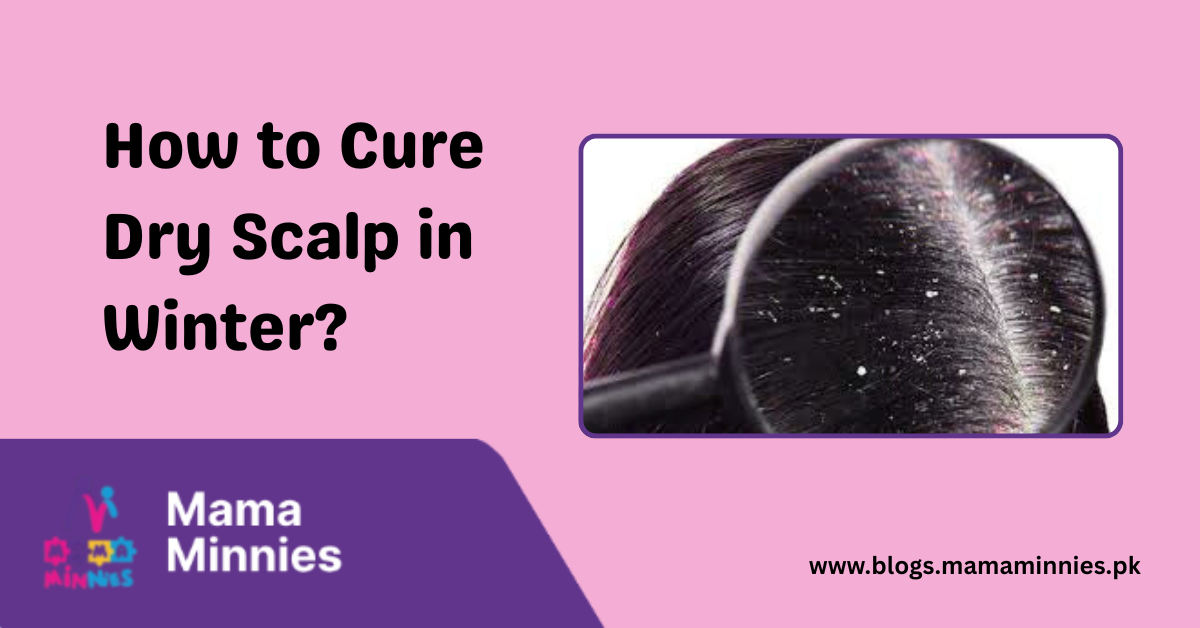
Overview: Cure Dry Scalp in Winter
Winter might bring cozy sweaters and holiday cheer, but it often delivers a frustrating side effect: a dry, tight, and itchy scalp. This seasonal discomfort is extremely common, yet frequently misunderstood.
Most people automatically assume any winter flaking is dandruff and reach for harsh, anti-fungal shampoos. This approach is usually counterproductive and only strips the skin further, worsening the dehydration.
Curing winter dry scalp requires a targeted approach focused on restoring lost moisture, repairing the skin barrier, and adjusting habits to combat the harsh environment. We’ll guide you through the diagnosis, treatment, and prevention needed for a comfortable, flake-free winter.
- Winter dry scalp is caused by environmental factors, not fungal overgrowth like dandruff.
- Treatment requires adding moisture back to the scalp, not stripping it with medicated products.
- Pre-shampoo oil treatments (like coconut or jojoba) are essential for deep winter hydration.
- Adjusting habits, such as lowering shower temperature, is crucial for preventing moisture loss.
- Controlling indoor humidity with a humidifier is one of the most effective non-topical cures.
Understanding Winter Dry Scalp (Not Dandruff)
Before you can effectively treat your winter scalp issue, you must confirm the diagnosis. The majority of winter flaking is purely dry scalp a consequence of environmental dehydration and not true fungal dandruff.
Misdiagnosis leads to the overuse of drying, medicated shampoos, which strips the small amount of oil and moisture your scalp has left. This creates a vicious cycle of irritation and worsening flaking that lasts all season long.
Successfully curing your winter dry scalp starts with recognizing the external causes and correctly identifying your specific type of flake.
The Environmental Culprits: Cold Air and Indoor Heat
The winter environment creates the perfect storm for skin dehydration, affecting your scalp just as it does your hands and lips. There are two primary culprits working against your scalp’s moisture barrier.
First, cold winter air naturally holds less moisture (low humidity). When you go outside, this dry air pulls moisture directly from your skin.
Second, the use of central heating indoors further exacerbates the problem. Heaters blast out hot, dry air that rapidly evaporates water content from your skin.
This constant moisture drain leads to a compromised skin barrier, resulting in the tightness, irritation, and characteristic fine flaking associated with winter dryness.
Key Differences in Flakes: Dry vs. Oily Flakes
Differentiating between dry scalp flaking and fungal dandruff flaking is essential for choosing the right cure. The appearance of the flakes themselves tells the story of the underlying cause.
Dry scalp flakes are small, white, fine, and numerous. They easily shower down onto your shoulders, often resembling fine dust, and your scalp feels tight.
Dandruff flakes (fungal) are larger, often appear clumped, may be yellowish, and look greasy because they are stuck together with oil. They are often accompanied by intense, localized itching.
If your flakes are fine and white, your cure is moisture. If they are greasy and yellow, you need an antifungal agent, as detailed in our guide on the how to get rid of scalp flakes naturally.
Topical Treatments for Restoring Winter Moisture
Since the problem is dehydration, the cure must be targeted rehydration and barrier repair. We need to introduce high-quality moisturizing agents that penetrate the skin barrier and lock moisture in against the harsh, drying winter air.
Topical treatments in winter should focus heavily on emollients (which repair the barrier) and humectants (which draw water into the skin). This requires shifting your product focus away from cleansing and towards nourishment.
These treatments offer immediate comfort and start the healing process for a damaged winter scalp.
Pre-Shampoo Oil Treatments for Deep Hydration
One of the most powerful cures for winter dry scalp is the pre-shampoo oil treatment, often called “pre-pooing.” This technique involves saturating the scalp with a hydrating carrier oil before you wash your hair.
The oil acts as a barrier to prevent the shampoo from stripping away too many natural oils during the wash, while also providing deep moisture to the dry skin underneath.
Excellent choices include Jojoba oil, which closely mimics natural sebum, or Coconut oil, known for its excellent moisturizing properties. Massage the oil thoroughly into the scalp, let it sit for at least 30 minutes (or overnight), and then shampoo as usual.
This treatment is incredibly effective at softening the skin and easing the tightness that characterizes winter dryness.
Choosing Moisturizing and Sulfate-Free Shampoos
The shampoo you use during the winter months must change. You need to temporarily retire any harsh, clarifying, or high-sulfate formulas, as these strip the essential protective oils needed in dry weather.
Sulfate-free shampoos are much gentler and allow your natural oils to remain on the scalp, providing necessary protection. Look for products that list hydrating ingredients like Aloe Vera, Glycerin, or Hyaluronic Acid near the top of the ingredient list.
A good winter shampoo should feel less like a detergent and more like a gentle cleansing cream. This small product switch prevents your scalp from being attacked every time you wash, a crucial step when treating how to treat itchy scalp in adults and kids.
Leave-In Scalp Serums and Moisturizers (Mama Minnies)
For continuous, all-day relief, a leave-in scalp serum or moisturizer is essential. These products are designed to deliver a concentrated dose of hydration directly to the scalp without making the hair look greasy.
Unlike heavy, conventional hair conditioners, scalp serums are lightweight and focused on nourishing the skin barrier itself. Ingredients like Niacinamide and panthenol are excellent for strengthening the barrier.
The Mama Minnies Range, known for its gentle, skin-safe formulations, often includes serums perfect for this purpose. These specialized products provide a continuous, non-stop barrier against the harsh, dry environment outside and the hot, dry air inside your home.
Applying a few drops to the scalp after towel-drying and before styling provides necessary protection that lasts until your next wash.
Routine Adjustments to Protect Against the Cold
Even the best products will fail if your daily hygiene habits work against them. Many common practices, such as taking a long, hot shower, are extremely comforting in winter but devastatingly damaging to a dry scalp.
Successfully curing winter dryness requires making intentional, small changes to your routine to minimize moisture evaporation and conserve your scalp’s natural oils.
These simple adjustments act as a preventative shield, ensuring your scalp retains the moisture you work so hard to put back in.
Reducing Wash Frequency to Preserve Natural Oils
Washing your hair too frequently is one of the biggest mistakes people make when battling dry scalp. Every time you wash, you remove some of the precious natural oils (sebum) that protect your skin barrier.
In the summer, your scalp might tolerate daily washing, but in the low-humidity winter, washing should be significantly reduced. Try switching to washing every three or four days, or even less frequently if possible.
This allows the natural oils to build up a protective layer, helping your scalp heal and maintain its moisture balance. This is the “Goldilocks Rule” for winter, preventing the dry scalp issue before it starts.
Lowering Shower Temperature and Rinsing Carefully
The comforting blast of very hot water in a winter shower is a terrible enemy of a healthy scalp. High temperatures rapidly dissolve sebum and strip moisture from the skin faster than lukewarm water.
Hot water also increases inflammation, which can exacerbate the itching associated with a dry scalp. Turn the dial down to lukewarm or simply reduce the length of time you spend in the shower.
It is also crucial to ensure you fully rinse out all shampoo and conditioner. Residue can sit on the skin, irritate it, and cause contact dermatitis, which contributes to the itching. Make sure you rinse until the water runs completely clear.
Holistic Winter Care: Nourishing from the Inside
Topical treatments are essential for immediate relief, but the resilience of your skin barrier is determined by your internal health and environment. For a true cure, you must address the systemic and atmospheric factors that contribute to winter dryness.
Focusing on internal hydration and surrounding atmospheric moisture is a necessary complement to your external care routine.
Ignoring these holistic factors means you’re fighting a losing battle against the dry environment every single day.
The Importance of Humidifiers in Heating Season
This is often the most overlooked and most effective solution for curing winter dryness. As established, indoor heating is a primary cause of low humidity, which dehydrates your skin.
Using a humidifier in your bedroom, where you spend roughly a third of your day, adds moisture back into the air. This significantly slows the rate at which your skin and scalp lose moisture while you sleep.
Aim to keep your indoor humidity level between 40% and 60% for optimal skin comfort. Controlling the air you breathe is as important as controlling the products you apply for a healthy winter scalp.
This is a vital, non-topical cure that provides continuous relief from the dry, damaging environment. For other post-winter cleanup, remember to check how to clean your home after lice infestation.
Essential Fatty Acids and Hydration for Skin Barrier
Your diet plays a critical role in the health of your skin barrier. The lipids (fats) that form the protective layer of your skin rely heavily on the nutrients you consume.
Focus on consuming foods rich in Omega-3 Fatty Acids, such as walnuts, salmon, and flaxseeds. These fats are powerful anti-inflammatories and are essential for building a strong, moisture-retaining skin barrier.
Additionally, internal hydration is key. Even in the cold, it’s easy to become dehydrated, and this will manifest as dry skin and scalp. Ensure you are drinking adequate water throughout the day to support skin cell function.
Nourishing your body from the inside out strengthens your defenses against the harsh effects of winter weather.
Conclusion: Win the Battle Against Winter Itch
Curing dry scalp in winter is a process of diagnosis, rehydration, and prevention. Start by correctly identifying your flakes as dry (fine, white) and not fungal (greasy, yellowish).
Then, pivot your routine: switch to moisturizing, sulfate-free shampoos, utilize pre-shampoo oil treatments, and use continuous scalp serums. Crucially, adjust your environment by lowering shower temperatures and utilizing a humidifier.
By implementing these targeted, holistic strategies, you can successfully repair your skin barrier, lock in moisture, and enjoy a comfortable, itch-free scalp all winter long.
FAQs: Winter Scalp Dryness
Should I scratch my itchy dry scalp?
No. Scratching provides temporary relief but causes micro-tears in the skin, which worsens inflammation and compromises the skin barrier. Use cooling rinses or gentle massage instead to break the itch-scratch cycle.
Does changing my shampoo frequently help?
Changing your shampoo too frequently can actually confuse your scalp and introduce new potential irritants. Find one good, moisturizing, sulfate-free shampoo for winter and stick with it consistently for several weeks.
Can I use my anti-dandruff shampoo in winter?
Only if your flakes are proven to be fungal dandruff. If they are simple winter dry flakes, using an anti-dandruff shampoo will strip your scalp of vital oils and make the dryness and itching much worse.
Is it safe to use hair dryers in the winter?
Yes, but with caution. Minimize the use of high heat. The hot air from a dryer can be very dehydrating. Use the lowest heat setting possible and hold the dryer at least six inches away from your scalp.
Read More:
- What to do if the scalp burns after treatment?
- Can pregnant women use lice shampoos safely?
- Are Mama Minnie’s products dermatologist tested?
- Can anti-lice shampoo cause hair loss?
- Which is better herbal or medicated shampoo?