
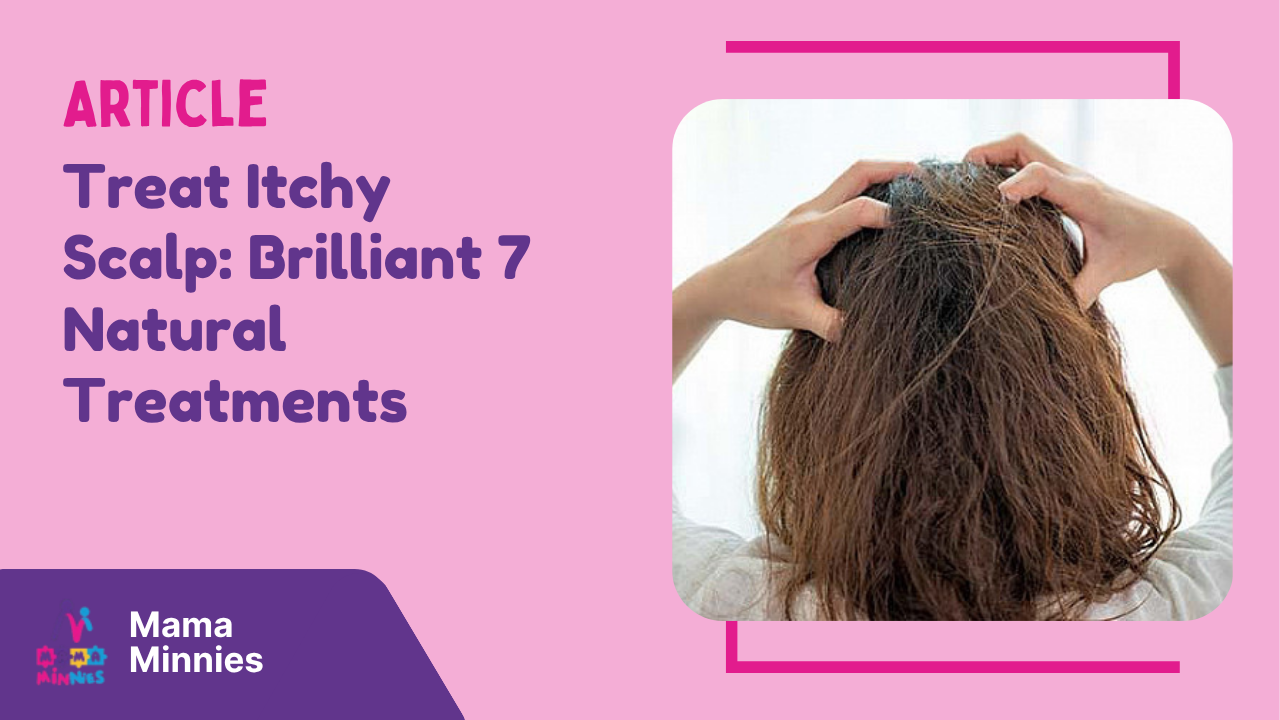
Overview: Treat Itchy Scalp in Adults and Kids
An itchy scalp is more than a minor annoyance; it’s a distress signal from your skin. Whether it’s persistent, gentle irritation or an intense, overwhelming urge to scratch, an itchy scalp can severely disrupt sleep and focus.
Finding lasting relief is challenging because the symptom (the itch) can have multiple different root causes—from fungal overgrowth to simple dryness or a reaction to a new product. What works for an adult’s dandruff might worsen a child’s dry scalp.
This expert guide will provide a systematic approach to diagnosing the source of the discomfort and offering age-appropriate, targeted treatments for immediate and long-term relief for the entire family.
- Effective itch treatment requires accurate diagnosis of the underlying cause (dandruff, dryness, or irritation).
- Natural cooling rinses and cold compresses offer immediate relief from acute itching.
- Adults usually require antifungal treatments, while kids often benefit more from gentle moisturizing solutions.
- Auditing personal care products for harsh chemicals and perfumes is a crucial step in preventing recurrence.
- Consistent, gentle hygiene and product choices are the key to long-term scalp health for all ages.
Diagnosing the Itch: What is Causing the Discomfort?
You cannot successfully treat an itchy scalp until you know why it’s itching. Treating a fungal infection with heavy moisturizers, or conversely, treating dryness with harsh chemicals, will only exacerbate the problem.
The common causes of scalp itching are generally grouped into three main categories: biological imbalance, external irritation, or parasitic presence. A quick visual inspection can often narrow down the possibilities significantly.
Knowing the difference between these causes is the most important step toward finding a lasting solution for both children and adults.
Itch from Dryness vs. Itch from Dandruff (Fungal)
The two most common causes of an itchy scalp present with distinct visual clues. This distinction is paramount for treatment.
Dry scalp occurs when the skin lacks adequate moisture. The itch is generally mild to moderate, and the flakes are small, fine, white, and easily fall off the hair, often feeling like small dust particles. The skin feels tight.
Dandruff, on the other hand, is caused by the Malassezia yeast. The itch is often intense, concentrated, and the flakes are larger, sometimes oily, and may appear slightly yellowish, sticking to the hair. This often requires an antifungal agent, as detailed in our guide on how to get rid of scalp flakes naturally.
If the itch is severe and accompanied by greasy flakes, you need an antifungal shampoo. If the scalp is tight with small flakes, you need a moisturizing carrier oil.
Itch from Product Buildup or Contact Dermatitis
Sometimes, the itch isn’t internal but is caused by something you are putting on your hair. This is known as Contact Dermatitis.
Many hair care products contain high levels of perfumes, dyes, preservatives, or thick silicones that can irritate the sensitive scalp skin.
This irritation can cause an allergic reaction or simply clog the pores, leading to inflammation and subsequent itching. The itch often starts shortly after using a new product.
Switching to fragrance-free, hypoallergenic products is often the fastest way to resolve this type of chemical irritation. Pay close attention to ingredients you might be sensitive to.
Itch from Infestation: Lice and Their Symptoms
The most intensely itchy cause of all is often a parasitic infestation, particularly head lice. Unlike dandruff, which is not contagious, lice are passed through head-to-head contact.
Lice saliva causes a severe allergic reaction in the scalp, leading to relentless itching. The itching is often most concentrated behind the ears and at the nape of the neck.
If you suspect lice, you must check for tiny, egg-shaped nits cemented to the hair shaft. These do not easily brush off, unlike flakes.
If lice are found, immediate, targeted treatment and removal are required, such as using effective essential oils kill lice naturally followed by meticulous combing.
Immediate Relief: Soothing the Scalp Naturally
When the itching is acute and unbearable, reaching for immediate, cooling relief is necessary to prevent further damage from scratching. Aggressive scratching leads to micro-abrasions that can cause infection and worsen inflammation.
Fortunately, several simple, natural methods can quickly calm the skin and provide temporary comfort while you prepare your long-term treatment plan.
These methods are gentle and safe for use on both adult and children’s scalps. They are primarily focused on reducing inflammation.
Cooling Rinses: Aloe Vera and Peppermint Water
Natural anti-inflammatory ingredients can quickly cool and soothe an angry, itchy scalp. Aloe Vera gel is a hero in this regard.
Pure Aloe Vera gel applied directly to the scalp offers instant cooling relief and reduces inflammation thanks to its glycoproteins and polysaccharides.
Another excellent option is a Peppermint water rinse. Mix a few drops of peppermint essential oil (or steep peppermint tea) into a cup of cool water.
Apply this rinse after shampooing. The menthol in the peppermint provides a strong cooling sensation that instantly calms the urge to scratch.
The Power of Cold Compression and Gentle Massage
Sometimes, physical intervention is the quickest route to break the itch-scratch cycle. A cold compress can provide immediate, localized relief.
Soak a clean towel in very cold water, wring it out, and apply it directly to the most intensely itchy areas of the scalp for a few minutes. The cold temperature numbs the nerve endings temporarily.
Additionally, when shampooing, use the pads of your fingers—never your fingernails—to apply a gentle, circular massage to the scalp. This encourages blood flow and helps lift flakes without causing painful abrasions.
Remember, you must also be aware of the environment, as excessive heat, like from do hair straighteners kill lice, can also be an irritant.
Targeted Treatments for Adults and Children
Because the primary causes of an itchy scalp differ by age—adults are more prone to fungal dandruff, and children more often have simple dryness or lice—the treatment approach must be customized.
A one-size-fits-all product is rarely the optimal choice. Your treatment must match the diagnosis to be successful and gentle enough for the specific age group.
This customized approach ensures maximum efficacy without introducing unnecessary harshness to a child’s developing skin.

Antifungal Shampoos for Dandruff-Related Itching
For adults and older teens where the itch is clearly linked to greasy, persistent flakes, an antifungal shampoo is necessary. Look for products containing active ingredients like Zinc Pyrithione, Ketoconazole, or natural Tea Tree Oil.
These ingredients directly target the Malassezia yeast, reducing its population and thus decreasing the production of irritating oleic acid. This is the ultimate, long-term solution for fungal itching.
Using these shampoos 2-3 times per week, alternating with a very mild shampoo, is often the most effective plan, as discussed in our evaluation of which is the best anti-dandruff shampoo in Pakistan. Consistency is more important than strength here.
Gentle Moisturizers and Oils for Dry Scalp Relief
For children and adults whose itch stems from dryness, the focus must shift entirely to hydration and protection. Avoid medicated shampoos, as they will only strip more moisture.
Instead, use lightweight, natural carrier oils like Jojoba or Sweet Almond oil, which closely mimic the scalp’s natural sebum. Massage a small amount onto the scalp before bed or an hour before washing.
Ensure you are using very gentle, pH-balanced, tear-free shampoos on children. Proper moisturizing ensures the scalp barrier remains strong, helping to prevent all types of irritation.
This gentle approach is necessary because a child’s scalp is much more absorbent and reactive than an adult’s.
Mama Minnies: Trusted Solution for the Family
When seeking a single product line that is effective for adults yet gentle enough for children, the Mama Minnies range is an excellent solution.
Mama Minnies products are typically formulated to address the dual need for efficacy against common issues (like lice and mild flakes) while maintaining hypoallergenic, sensitive standards.
The gentle yet powerful formulations reduce the risk of Contact Dermatitis, making them a safe primary choice for family use where different scalp needs coexist. Their focus on natural, soothing ingredients helps prevent the very stress cause dandruff cycle from taking hold.
Choosing a trusted family brand simplifies your routine and minimizes the risk of using overly harsh products on younger, sensitive scalps.
Preventing Recurrence: Routine and Lifestyle Changes
Effective treatment stops the current itch, but true success is measured by preventing the itch from returning. Prevention relies on establishing a consistent, mindful scalp care routine and making wise product choices.
Small adjustments to your daily washing habits and product selection can have a massive impact on the long-term health and resilience of your scalp barrier.
This focus shifts from reaction to pro-action, ensuring that common triggers are avoided daily.
The Best Washing Techniques and Water Temperature
Simple adjustments to your washing routine can drastically reduce scalp irritation. Avoid using excessively hot water, as it strips the scalp of its protective oils, leading to immediate dryness and itching.
Instead, wash with lukewarm water and always finish the rinse with cool water. This helps close the hair cuticle and soothes the scalp.
Ensure that you are rinsing your hair thoroughly. Shampoo and conditioner residue, if left behind, is a major irritant that can sit on the scalp and cause contact dermatitis and intense itching.
Rinse until the hair feels squeaky clean and no slickness remains.
Auditing Products: Avoiding Harsh Chemicals and Perfumes
If you suffer from recurrent itching, conduct a thorough audit of all products that touch your hair and scalp. Harsh sulfates (like SLS) and heavy synthetic perfumes are common culprits.
These ingredients irritate the skin and strip necessary moisture, which can cause both dryness and make the scalp more reactive to the Malassezia yeast.
Look for products labeled “fragrance-free,” “sulfate-free,” and “hypoallergenic.” Switching to gentler products helps repair the scalp barrier.
For specific concerns like treating lice, be sure to use products that are designed to avoid irritation while providing the required efficacy, ensuring you find the safest anti-lice shampoo for sensitive scalps.
Conclusion: Relief is Within Reach
Treating an itchy scalp effectively is all about accurate diagnosis and targeted intervention. Whether the source is fungal dandruff, simple dryness, or parasitic infestation, an appropriate and gentle plan exists.
For lasting relief, combine targeted treatments—antifungal for yeast, moisturizers for dryness—with mindful prevention. By choosing gentle products and sticking to a consistent routine, you can break the itch-scratch cycle and ensure a comfortable, healthy scalp for both adults and kids.
FAQs: Itchy Scalp Solutions
Can I use rubbing alcohol to stop the itching?
No. Rubbing alcohol is far too harsh and drying for the scalp. It will cause severe dehydration and irritation, leading to worse flaking and itching once the initial cooling effect wears off.
Is petroleum jelly good for an itchy scalp?
While petroleum jelly is a powerful occlusive (seals moisture in), it is far too heavy for the scalp. It can clog hair follicles, leading to acne, irritation, and an overgrowth of yeast and bacteria. Stick to lightweight natural oils.
Does diet affect scalp itchiness?
Yes. Diets high in refined sugar can feed the Malassezia yeast, worsening dandruff-related itching. Conversely, diets rich in Omega-3s and antioxidants help reduce systemic inflammation, which can soothe a reactive scalp.
When should I see a doctor for itching?
If the itching is accompanied by open sores, oozing, fever, severe redness, or thick, crusted plaques that resist over-the-counter treatments after four weeks, you should consult a dermatologist immediately to rule out conditions like psoriasis or Tinea Capitis.
Read More:
- What to do if the scalp burns after treatment?
- Can pregnant women use lice shampoos safely?
- Are Mama Minnie’s products dermatologist tested?
- Can anti-lice shampoo cause hair loss?
- Which is better herbal or medicated shampoo?