
Introduction
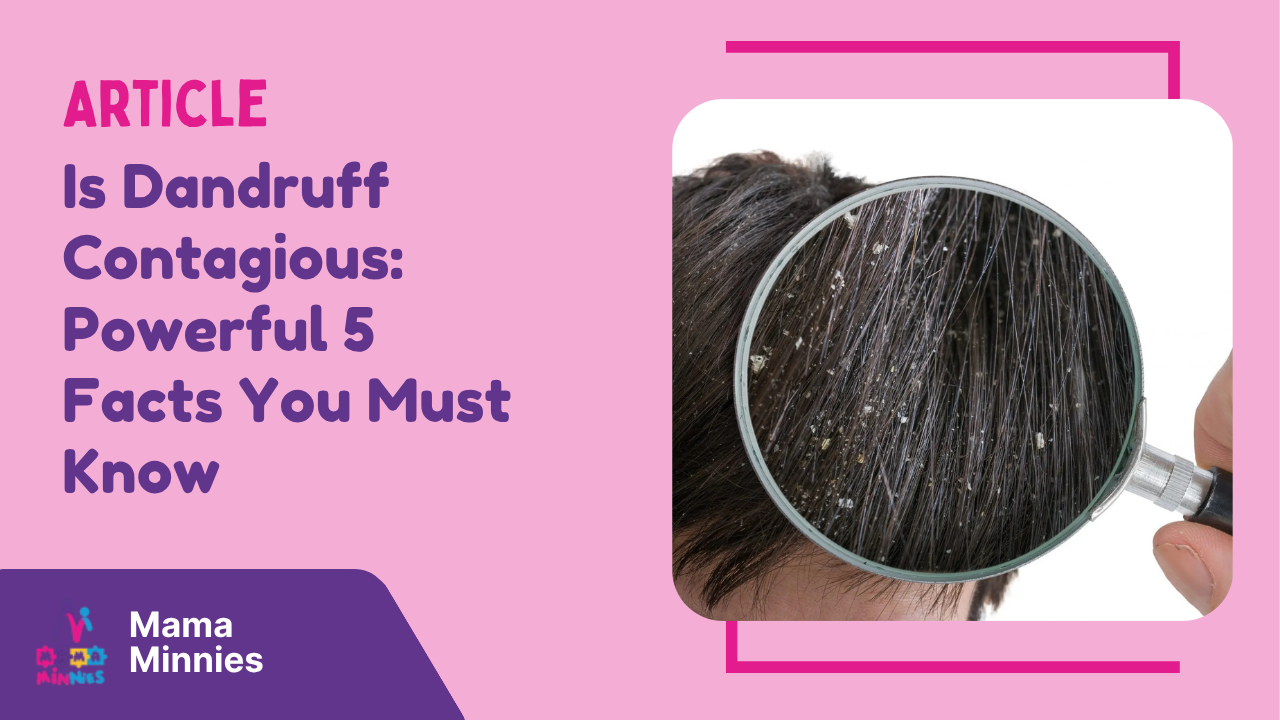
Dandruff is perhaps one of the most common and persistent hair care concerns globally. When flakes begin to appear, a natural, immediate worry is whether this condition can be passed on to family members, partners, or friends. The sight of visible flaking often leads people to believe that dandruff must be infectious, similar to a cold or lice infestation.
This expert article definitively answers the question, Is Dandruff Contagious?, while dissecting the true causes of flaking. We will explore the science behind what actually triggers dandruff and provide clear, actionable steps for management and prevention within your household.
- Dandruff itself is not contagious; it cannot be caught or spread from person to person.
- It is caused by a natural reaction to an overgrowth of Malassezia yeast, which every human scalp has.
- Flaking is triggered by internal factors like hormones, stress, and specific sensitivities, not external contact.
- The primary concern is often confusing dandruff with truly contagious infections like Tinea Capitis (Scalp Ringworm).
- Proper hygiene and treating the underlying yeast/oil imbalance are the only ways to manage the condition long-term
The Core Question: Is Dandruff Contagious?
The short, clear answer is no, dandruff is not contagious.
You cannot catch dandruff from someone else, regardless of close contact. Shaking someone’s hand, hugging them, or even sharing air space will not transmit the condition to your scalp.
Dandruff is not caused by a virus or bacteria that can jump from host to host. It stems from a condition that is internal to the affected individual.
This is often the biggest misconception people have when they see persistent flaking, leading to unnecessary anxiety about spread.
Understanding Dandruff: The Role of Malassezia
Dandruff, scientifically known as Pityriasis capitis, is linked to a common, naturally occurring fungus called Malassezia globosa.
This yeast lives on the scalp of nearly every human on Earth, feeding on the oils (sebum) produced by the hair follicles.
As the Malassezia breaks down the sebum, it produces oleic acid. For about half the population, their scalp is sensitive to this oleic acid.
It is this sensitivity that triggers the scalp’s immune and inflammatory response, speeding up skin cell turnover and causing the cells to clump together as visible flakes.
Dandruff is Not an Infection, It’s an Overreaction
Because Malassezia is a naturally occurring component of the scalp microbiome, its presence isn’t what causes the problem—it’s the overreaction of a sensitive scalp.
Therefore, dandruff is categorized as a chronic, non-contagious inflammatory skin condition, similar to eczema or sensitive skin, rather than an infection that can be transmitted.
Even if you were to transfer some Malassezia from one scalp to another, the receiving scalp already has the fungus. Flaking will only occur if that person has the specific sensitivity to oleic acid.
How Dandruff Spreads: Misconceptions vs. Reality
While dandruff is not contagious, the fear of transmission is often rooted in the confusion surrounding sharing personal items or mistaking one condition for another. It is important to separate fact from fiction regarding the potential for transmission.
Understanding where the risks truly lie—and where they do not—can help families manage the condition without fear.
The only way dandruff could “spread” is if multiple members of a household share the same internal, genetic predisposition to react to the Malassezia yeast.
Sharing Personal Items: Combs, Hats, and Pillows
The question of whether shared items can transmit dandruff is a major source of concern.
In general, sharing brushes, combs, hats, or pillows is highly unlikely to cause dandruff in another person. As established, the fungus is already present on the receiving individual’s scalp.
However, sharing these items is strongly discouraged for hygiene reasons and, more importantly, because of the risk of transmitting other issues.
Items like hats and combs are the primary vectors for truly contagious problems. For a detailed guide on how things like combs and hats can spread other issues, you should read about can lice transfer through combs or hats.
While shared items won’t give you dandruff, practicing good personal hygiene by keeping combs and hair accessories separate is always the safest and most sanitary approach for preventing all forms of cross-contamination.
When Flaking is Contagious: Ringworm (Tinea Capitis)
This is the most crucial distinction: not all scalp flaking is dandruff. Some severe, flaky conditions are highly contagious.
If the flaking is accompanied by localized redness, tenderness, patchy hair loss, or scaling that forms a ring-like pattern, the condition may be Tinea Capitis, which is commonly known as Scalp Ringworm.
Tinea Capitis is a genuine fungal infection that is highly contagious and can be transmitted through shared hats, combs, towels, and pillowcases.
Ringworm requires specific antifungal medication. If you suspect your flaking is not typical dandruff—meaning it is very severe, painful, or causing bald spots—you must consult a dermatologist immediately to rule out a contagious infection.
Key Causes That Trigger Dandruff in Individuals
Since we know dandruff is not contagious, managing the condition requires focusing on the internal and environmental factors that trigger an individual’s inflammatory response.
These triggers are diverse and unique to each person. Addressing these root causes is the foundation of any long-term, effective management plan.
Understanding these triggers allows for targeted lifestyle changes that can minimize the presence of visible flakes.
Hormonal Changes and Increased Oil (Sebum) Production
Hormones play a significant role in dandruff because they regulate the production of sebum, or natural hair oil.
Dandruff often first appears or worsens after puberty and can fluctuate due to life stages like pregnancy, as hormone levels shift. Increased androgens (male hormones) can boost oil production.
More sebum means more food for the Malassezia yeast, which in turn leads to more oleic acid and a greater likelihood of a flaking flare-up in sensitive individuals.
Managing these hormonal swings is difficult, but maintaining a consistent, antifungal cleansing routine can keep the yeast population under control even when oil production is high.
Lifestyle Factors: Stress, Diet, and Climate
External and internal stressors also act as major dandruff triggers. Stress, in particular, can significantly worsen the condition.
High stress levels elevate cortisol, a hormone that can indirectly increase sebum production and weaken the skin barrier’s immune function, making the scalp more reactive to the Malassezia yeast.
Diet and climate are also factors. A diet high in inflammatory foods or a sudden change to a cold, dry climate can irritate the scalp and exacerbate flaking.
Addressing your daily routine to reduce stress and ensuring adequate nutrition is a powerful, natural way to limit these individual triggers and improve overall scalp resilience.
Effective Strategies for Managing and Preventing Dandruff
Since catching dandruff is not the problem, the solution lies entirely in diligent management and prevention. The goal is to control the environment on the scalp to suppress the growth of Malassezia and soothe inflammation.
Combining over-the-counter treatments with consistent, expert hygiene practices will yield the best long-term results.
This focuses on maintenance, ensuring that the condition remains dormant and flakes are kept at bay.
Medicated and Natural Antifungal Treatments
The most effective treatments are those that directly target the Malassezia fungus.
Medicated shampoos often contain ingredients like Ketoconazole, Zinc Pyrithione, or Selenium Sulfide, which are proven antifungals.
For those preferring a natural route, essential oils like Tea Tree Oil are highly effective, possessing strong, naturally occurring antifungal and antibacterial properties.
When using natural oils, it is vital to dilute them properly in a carrier oil like coconut or jojoba before application to avoid irritating an already sensitive scalp. Products like the Mama Minnies line are often formulated to gently balance the scalp’s microbiome.
Routine and Scalp Hygiene Best Practices
Consistency in your hair care routine is non-negotiable for dandruff management.
Washing your hair too infrequently allows oil and yeast to build up, leading to a flare-up. Conversely, washing too often can excessively dry out the scalp, causing irritation and flaking.25
Finding the optimal wash frequency—usually every two to three days—is key. Ensure thorough rinsing to prevent shampoo residue from accumulating, which can also irritate the scalp.
Regularly cleaning brushes and combs is also a critical hygiene step to ensure that oil and skin cell buildup are not constantly reintroduced to the scalp.
Conclusion: Dandruff is Managed, Not Caught
Dandruff is a frustrating but manageable condition driven by an individual’s internal sensitivity to a common scalp fungus. It is categorically not contagious.
You can safely interact with anyone experiencing flaking without fear of transmission. The focus should always be on identifying and treating the specific, internal triggers that cause the flaring.
By understanding the distinction between dandruff and contagious infections like Ringworm, and by implementing a targeted, consistent hygiene routine, you can effectively manage the condition and maintain a healthy, flake-free scalp.
FAQs: Common Questions About Scalp Flaking
What is the safest way to clean shared items?
If you must share items (like a comb), the safest way to clean them is by soaking them for 10 minutes in a solution of one part bleach to ten parts water, or using a specialized disinfectant. This is primarily to prevent can head lice return after treatment or Ringworm spread.
Can dandruff cause hair loss?
Severe, chronic dandruff can cause intense itching, which leads to scratching. Excessive scratching can damage the hair follicle, potentially causing temporary hair thinning or loss, but dandruff itself is not a direct cause of permanent baldness.
Does dry scalp mean I have dandruff?
No. Dry scalp is caused by a lack of moisture and results in small, fine flakes and tightness. Dandruff is caused by an overgrowth of yeast and results in larger, often oily, yellow-tinged flakes. They require different treatments: moisturizing for dry scalp, and antifungal for dandruff.
Can changing shampoos cause flaking?
Yes. If a new shampoo contains harsh ingredients like sulfates, it can strip too much moisture, causing a temporary dry scalp flaking. If it introduces an irritant, it can also trigger a sensitive scalp reaction. Always patch test new products.
Read More:
- What to do if the scalp burns after treatment?
- Can pregnant women use lice shampoos safely?
- Are Mama Minnie’s products dermatologist tested?
- Can anti-lice shampoo cause hair loss?
- Which is better herbal or medicated shampoo?