
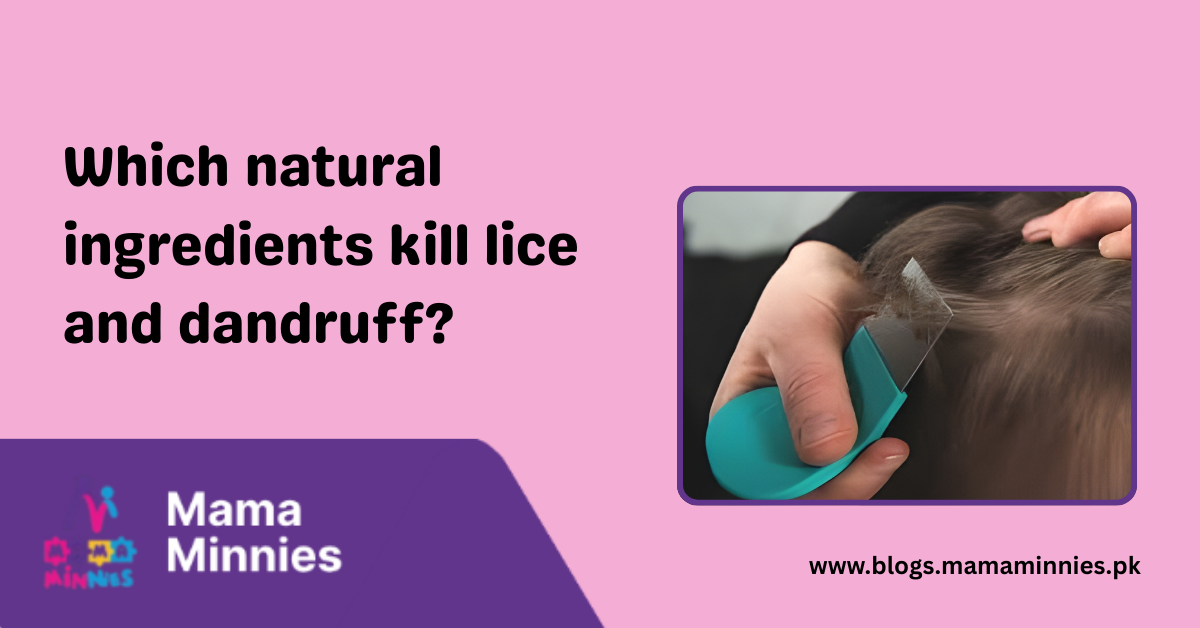
Introduction to Natural Remedies for Lice and Dandruff
The common experience of an itchy scalp, whether from persistent dandruff flakes or the uncomfortable presence of head lice, often leads consumers to reach for aggressive chemical treatments. While highly effective, many traditional commercial products rely on strong pesticides or harsh chemical agents that can irritate the scalp and carry long-term safety concerns.
Today, there is a significant movement toward natural hair treatments, utilizing plant-based ingredients that offer potent anti-fungal, anti-parasitic, and soothing benefits without the severe side effects of synthetics. This shift prioritizes scalp health, using safe, chemical-free remedies to restore balance and cleanliness. This guide explores the most effective natural ingredients for combating both lice and dandruff, detailing how to use them safely for effective, sustainable results.
Which natural ingredients are most effective against lice and dandruff?
Nature provides several powerful compounds that target the root causes of these common scalp issues.
Neem for Anti-Fungal and Anti-Parasitic Action
Neem oil, extracted from the Indian lilac tree (Azadirachta indica), is highly regarded in traditional medicine.
- How Neem Kills Lice and Prevents Scalp Infections: Neem contains azadirachtin, a compound that disrupts the life cycle of parasites and acts as a natural pesticide against lice. Its strong antiseptic properties also help treat minor skin infections often caused by scratching.
- Its Effectiveness Against Dandruff-Causing Fungi: Neem’s powerful antifungal compounds, such as nimbin, actively combat Malassezia, the yeast typically responsible for persistent dandruff and seborrheic dermatitis.
Tea Tree Oil for Scalp Health
Tea Tree Oil (TTO) is a potent essential oil that requires careful handling.
- Antimicrobial Properties Targeting Lice and Dandruff: Tea tree oil contains a compound called terpinen-4-ol, which has strong germ-killing effects against both dandruff-causing fungi and head lice.
- Proper Dilution to Prevent Irritation: Due to its potency, TTO must always be highly diluted in a carrier oil (2% maximum concentration) to avoid irritating or sensitizing the scalp.
Coconut Oil for Suffocating Lice and Moisturising Scalp
Coconut oil is an affordable, accessible, and multipurpose remedy.
- How Coconut Oil Smothers Lice Eggs: When applied generously and left on, coconut oil’s thickness effectively suffocates active lice and can sometimes interfere with the hatching of nits (lice eggs).
- Benefits for Dry, Flaky Scalp: Coconut oil is highly moisturising, helping to heal the dry, compromised skin barrier often associated with dry scalp flaking, though it may be too rich for oily scalp or true dandruff.
Apple Cider Vinegar for pH Balance and Flake Removal
ACV is primarily a mechanical and balancing aid.
- How Apple Cider Vinegar Removes Dandruff: The acid in apple cider vinegar gently helps peel off the sticky skin flakes associated with severe dandruff.
- How Apple Cider Vinegar Helps Remove Lice Eggs: Rinsing with apple cider vinegar loosens the sticky glue that holds lice eggs (nits) to the hair, making them easier to remove with a comb.
Aloe Vera for Soothing and Anti-Fungal Benefits
Aloe vera is ideal for managing the inflammation that accompanies scalp issues.
- Calming Scalp Irritation: Aloe’s natural compounds and cool feel provide quick relief from itchiness caused by lice, scratching, or dandruff.
- Supporting Hair Growth While Treating Flakes: Aloe vera gel helps moisturise the scalp, creating a conducive environment for healthy hair growth.
Clove, Lavender, and Other Essential Oils
Certain essential oils act primarily as lice repellents.
- How Essential Oils Repel Lice Naturally: Strong-smelling oils like Lavender, Clove, and Rosemary are often used prophylactically (preventatively) as their aroma is unpleasant to lice.
- Benefits for Dandruff Control and Scalp Nourishment: Lavender and Rosemary also contain mild anti-fungal properties that support a clean, balanced scalp environment.
How to Use Natural Ingredients Safely?
Safety and efficacy depend on correct preparation and application of natural ingredients kill lice and dandruff.
Proper Dilution Ratios for Essential Oils
Dilution is non-negotiable. Never apply pure essential oils directly to the scalp, especially when dealing with children.
| Tea Tree Oil | 2% | 6 drops |
| Lavender/Rosemary | 3% | 9 drops |
| Neem Oil | Can be used up to 10% or more, but patch test first | 30 drops |
- Avoiding Scalp Burns or Irritation: Always adhere to these limits to prevent chemical burns or sensitization.
- Carrier Oils to Mix With Potent Oils: Use light, moisturizing oils like fractionated coconut, olive, or jojoba oil.
Application Methods for Maximum Effectiveness
- Hair Masks (Lice/Dandruff): Mix essential oils with a carrier oil (such as coconut or olive oil), then saturate the scalp and hair from root to tip.
- Scalp Massage (Dandruff): Gently rub a diluted oil blend into the scalp with your fingers for 5–10 minutes to loosen flakes and help blood flow.
- Overnight Treatments (Lice): For lice, the oil must be left on for at least 8 hours to ensure suffocation. Cover the hair with a shower cap and wash it thoroughly the next morning, then comb.
Frequency and Duration of Treatment
- Lice: Repeat treatments every 3–5 days for 2 weeks to kill newly hatched nits before they reproduce.
- Dandruff: Use anti-fungal treatments (Neem, TTO) 2–3 times per week until symptoms clear, then switch to a gentle maintenance wash.
- Monitoring Scalp Reaction: Discontinue use immediately if any burning, severe redness, or increased itching occurs.
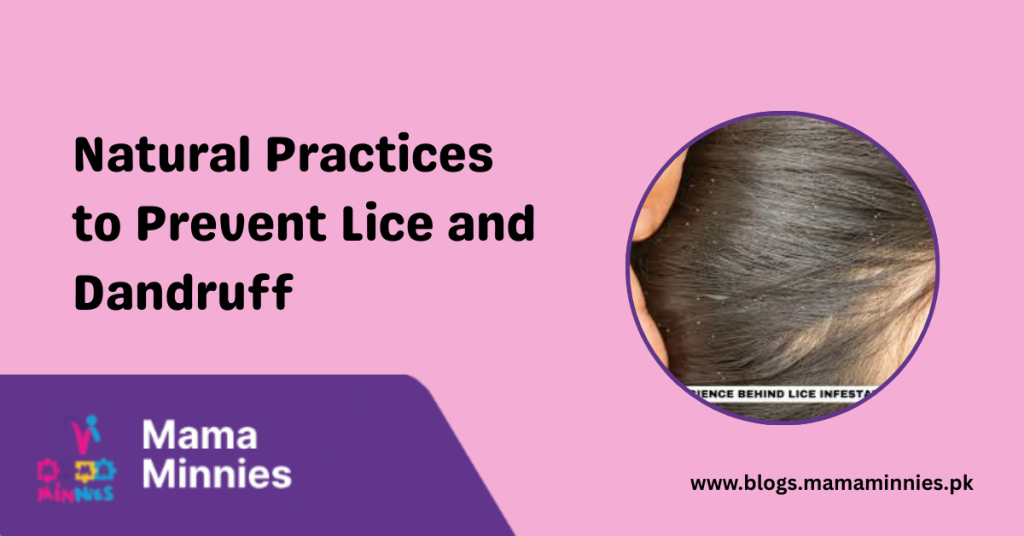
What are the Natural Practices to Prevent Lice and Dandruff?
Prevention is always easier than a cure.
Regular Hair Washing and Hygiene
Maintaining a consistent washing routine prevents excessive sebum buildup, which feeds the dandruff-causing fungi. Choose a gentle, sulfate-free shampoo that cleanses without over-stripping the scalp’s necessary natural oils.
Diet and Hydration for Scalp Health
A diet rich in Zinc, B Vitamins, and Omega-3 fatty acids supports a strong skin barrier and regulates oil production, contributing to a healthier scalp less prone to flaking.
Avoiding Hair Sharing and Contaminated Accessories
This is the primary way lice are transmitted. Educate children to avoid sharing hats, combs, brushes, pillows, and hair accessories. Regular inspection is key.
For preventive daily care, such as washing accessories or light daily use, choosing gentle, naturally based products like Mama Minnies purifying spray or wash can help maintain hygienic habits without relying on harsh chemicals.
When to Seek Professional Help for Lice and Dandruff?
Natural remedies may not be sufficient for severe or chronic issues.
Persistent Lice Infestation
- When Natural Remedies Fail: If a lice infestation persists after two or three rounds of careful, repetitive natural treatment and combing, a healthcare professional can prescribe FDA-approved chemical treatments.
- Failure to Remove Nits: If you cannot remove the nits after thorough combing and treatment, professional lice-removal services may be necessary.
Severe Dandruff or Scalp Infection
- Dermatologist-Guided Interventions: If dandruff is severe, thick, yellow, and resistant to natural anti-fungal treatments, it may be severe seborrheic dermatitis or another underlying skin condition (like psoriasis) that requires prescription-strength medicated shampoos or topical steroids.
Frequently Asked Questions
Which natural oils are best for killing lice?
Coconut oil is excellent for suffocation, and highly diluted Tea Tree Oil (2%) or Neem Oil (10%) are effective for their natural pesticide properties.
Can neem completely get rid of dandruff?
Neem’s strong antifungal properties make it highly effective in reducing dandruff caused by the Malassezia fungus. Consistency and proper application are key to complete clearance.
How often should I use natural remedies on my scalp?
For lice, treatments must be repeated every 3–5 days for 2 weeks. For dandruff, anti-fungal oil masks are effective 2–3 times per week.
Is tea tree oil safe for children?
Tea tree oil is safe for children only when highly diluted (1% to 2% maximum) in a carrier oil and used topically. Never use it undiluted or allow it to be ingested.
Does apple cider vinegar really remove lice eggs?
ACV doesn’t kill the lice, but the acidity helps to dissolve the sticky cement (glue) that holds the nits to the hair shaft, making them much easier to comb out manually.
Can coconut oil prevent dandruff, too?
Coconut oil is effective for a dry, flaky scalp that lacks moisture. However, for true dandruff (fungal overgrowth), plain coconut oil may feed the fungus, so it should be used in combination with an antifungal agent like TTO or neem.
Conclusion
The natural world offers a powerful, gentle arsenal for tackling the persistent problems of head lice and dandruff. By understanding the specific actions of ingredients like neem’s anti-fungal strength, coconut oil’s smothering power, and peppermint’s soothing properties, you can create a targeted treatment plan.
Remember that efficacy relies on consistency, correct dilution, and diligent application, especially thorough combing for lice. By embracing these chemical-free methods, you protect your scalp health while effectively managing these common conditions.
Latest Post:
- What to do if the scalp burns after treatment?
- Can pregnant women use lice shampoos safely?
- Are Mama Minnie’s products dermatologist tested?
- Can anti-lice shampoo cause hair loss?
- Which is better herbal or medicated shampoo?