
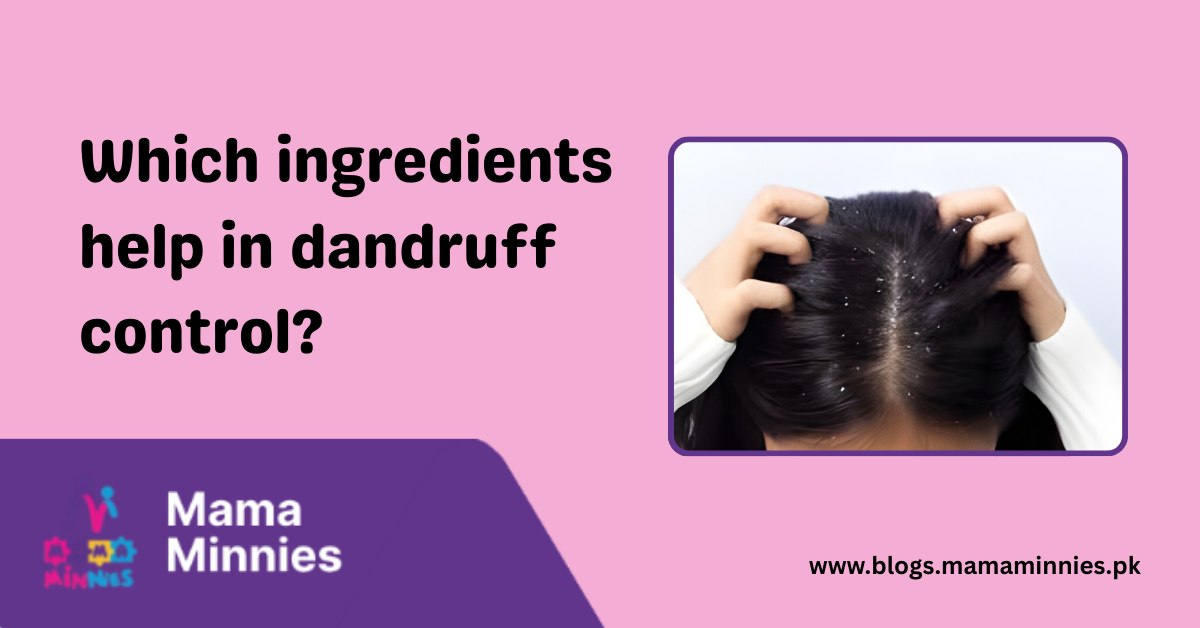
Introduction to Dandruff and Ingredients That Control It
Dandruff, scientifically known as seborrheic dermatitis, is a common chronic condition that causes scalp skin to flake. While often dismissed as simple dryness, it is usually linked to an overgrowth of a yeast-like fungus called Malassezia, which thrives in oily areas. This condition can significantly impact scalp health, leading to persistent flakes, uncomfortable itching, and visible irritation, which can affect one’s confidence.
The key to effective, lasting control lies not just in washing but in choosing shampoos and products with targeted, effective ingredients. By understanding the function of antifungal, anti-inflammatory, and exfoliating agents, you can select the right treatment to minimize symptoms and prevent the recurrence of flakes, itching, and irritation.
What Ingredients Actively Help in Controlling Dandruff
Effective dandruff control in adults and kids requires a multi-pronged approach to yeast, inflammation, and flaking.
Antifungal Agents
These ingredients attack the main cause of chronic dandruff, the Malassezia fungus.
- Ketoconazole: A powerful, broad-spectrum antifungal agent. It works by disrupting the yeast cell membrane, effectively halting its growth and reducing inflammation. It is often used for severe or persistent cases.
- Zinc Pyrithione (ZPT): A highly common and effective antifungal and antibacterial agent. It works by reducing the concentration of Malassezia on the scalp and slowing skin cell production, thereby soothing inflammation.
Anti-Inflammatory and Soothing Ingredients
These ingredients reduce itching and redness.
- Aloe Vera: Contains soothing compounds and polysaccharides that hydrate and calm irritated skin, offering relief from itching and burning.
- Tea Tree Oil: A natural antifungal with documented antibacterial and anti-inflammatory properties. When used properly diluted, it helps reduce the yeast population while soothing the skin.
Exfoliating and Flake-Reducing Agents
These ingredients manage the visible symptom, the flaking.
- Salicylic Acid: A keratolytic agent (one that softens and breaks down the outer layer of skin) that works by softening and helping to peel off the thick, flaky patches on the scalp’s surface. This helps remove existing dandruff or dead skin and unclog hair follicles.
- Coal Tar: Used for severe flaking and scaling. It works by slowing the rapid turnover of scalp skin cells, dramatically reducing shedding.
Moisturizing and Protective Ingredients
Restore moisture because medicated treatments may dry the scalp.
- Coconut Oil: Contains medium-chain fatty acids that penetrate the hair shaft. While it can nourish the scalp and reduce dryness, it should be used cautiously by those with very oily skin, as it can sometimes feed the Malassezia fungus.
- Glycerin and Panthenol: Excellent humectants (substances that help retain moisture) and emollients (softening agents) that draw moisture from the air and bind it to the scalp, ensuring adequate hydration and preventing the dryness that often leads to fine, non-fungal flakes.
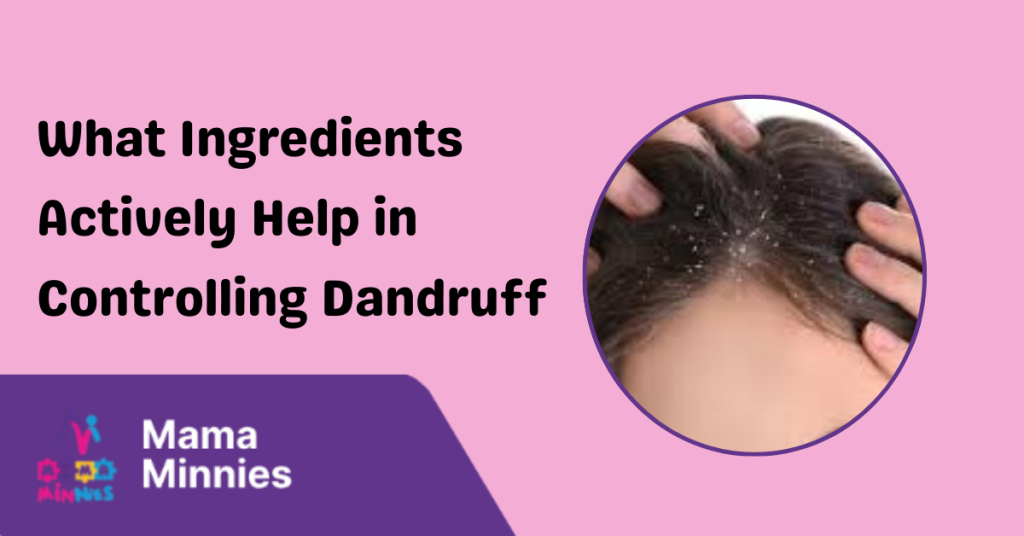
Ingredients like tea tree oil, aloe vera, and zinc help control dandruff naturally, keeping your scalp healthy and flake-free.
How These Ingredients Work Together for Maximum Effect
To treat dandruff, address the cause and the symptoms.
Combining Antifungal and Moisturizing Agents
- Balancing Treatment and Hydration: The most successful dandruff shampoos pair an effective antifungal agent (such as ZPT or ketoconazole) with a hydrating humectant (such as glycerin or aloe). This prevents the antifungal from drying the scalp excessively or irritating it.
- Preventing Dryness While Controlling Dandruff: Once Malassezia is under control, the moisturizing components help repair the damaged skin barrier and reduce secondary flaking caused by dryness.
Role of Natural Oils in Enhancing Scalp Health
- Apply diluted tea tree or rosemary oil to calm itchiness and protect your scalp.
- Supporting Scalp Barrier Recovery: Natural ingredients, such as those found in simple, soothing formulas, help restore the scalp’s natural balance and protective function, especially after harsh treatment shampoos.
For long-term scalp health and maintenance, particularly after controlling a flare-up, choosing products with high-quality, gentle, and nourishing natural extracts is beneficial. Lines that prioritize plant-based soothing agents, such as Mama Minnie gentle hair care products, can help sustain a healthy scalp environment and prevent the dryness that often follows medicated treatments.
When to Choose Medicated vs. Herbal Ingredients
If dandruff is severe, persistent, yellowish, and inflamed, you must start with a medicated product (ketoconazole or ZPT). If you have light, dry, white flakes that appear mainly in winter, you can likely start with a mild herbal shampoo containing tea tree or salicylic acid.
Severe Cases May Need Antifungal Agents: Use herbal options for maintenance or mild flaking, and rely on clinically proven antifungal agents for active infections.
Tips for Choosing Dandruff-Control Products
Choose products based on ingredients, not marketing claims.
Read the Ingredient Labels Carefully
- Look for Active Ingredients Listed First: In medicated products, the active ingredient (e.g., Ketoconazole 1%) should be clearly listed at the top of the Drug Facts panel on the back.
- Avoid Unnecessary Harsh Chemicals: For sensitive scalps, avoid shampoos high in SLS/SLES (sulfates) and strong synthetic fragrances, which can worsen inflammation.
Check for Dermatologist Recommendations
- Ensures Product Safety for Sensitive Scalps: Products recommended by dermatologists have a proven safety record and are specifically designed to treat the condition without causing undue irritation.
Consider Hair Type and Sensitivity
- Oily Scalp: Can tolerate ZPT or salicylic acid, but should avoid heavy coconut oil treatments.
- Dry or Color-Treated Hair: Should use medicated sulfate-free shampoos to prevent color stripping and excessive dryness.
How to Use Dandruff Ingredients Effectively
Proper technique determines if treatment works.
Proper Application of Medicated Shampoos
- Follow Instructions for Duration and Frequency: Most medicated shampoos require the lather to remain on the scalp for 3–5 minutes to allow the active ingredient to penetrate the scalp and kill the fungus. They are usually used only 2–3 times per week.
Using Natural Oils and Herbal Treatments
- Massage Techniques and Leave-In Times for Maximum Absorption: When using a diluted essential oil mixture, massage it directly into the scalp for 5 minutes, then leave it on for 30–60 minutes (or as directed) before washing to maximize soothing and antifungal contact.
Combining Treatments Safely
- Avoid Overuse of Harsh Ingredients Together: Never combine multiple medicated treatments (e.g., coal tar and salicylic acid) in the same wash, as this will lead to severe irritation and chemical burning.
- Alternate Natural and Medicated Products If Needed: Use the medicated shampoo 2 times a week and a gentle, soothing herbal shampoo the rest of the time.
Common Mistakes to Avoid While Treating Dandruff
Errors in routine often sabotage successful treatment.
Can Strip Natural Oils and Worsen Flakes: Washing daily, especially with strong detergents, strips the scalp of its natural sebum, triggering a defensive overproduction of oil that, in turn, fuels the Malassezia fungus.
Scalp Infections or Eczema May Mimic Dandruff: Persistent, non-responsive flaking, redness, or painful patches may not be simple dandruff. Always get a professional diagnosis if over-the-counter products fail.
Leads to Irritation and Dryness: Combining heavy clarifying shampoos with medicated treatments often causes more damage than good, resulting in rebound irritation that worsens the flaking cycle.
FAQs
Which ingredients are most effective for severe dandruff?
The most effective ingredients for severe, chronic dandruff (seborrheic dermatitis) are the strong antifungal agents ketoconazole and selenium sulfide.
Is tea tree oil really effective against dandruff?
Yes, tea tree oil is effective for mild to moderate dandruff due to its natural antifungal properties. However, it must be used properly diluted in a carrier oil and is not as potent as pharmaceutical antifungals.
Can zinc pyrithione shampoo be used daily?
Generally, no. While ZPT is milder than ketoconazole, it is usually recommended to use ZPT shampoo 2–3 times per week for active treatment and then alternate with a gentle, non-medicated shampoo.
Which ingredients help control flaking without irritating the scalp?
Salicylic acid is excellent for gentle flake control, and moisturizing ingredients like glycerin and panthenol help prevent flakes caused solely by dryness without irritation.
Can natural oils replace medicated shampoos for dandruff?
No. For active, chronic dandruff caused by the Malassezia fungus, natural oils cannot replace the targeted killing action of medicated antifungal agents. They can, however, be used for soothing and maintenance.
How long does it take to see results from dandruff ingredients?
You should see a noticeable reduction in flakes and itching within 2 to 4 weeks of consistent use of an effective medicated shampoo. If symptoms do not improve after 4–6 weeks, consult a dermatologist.
Conclusion
Controlling dandruff requires more than just regular washing; it demands a strategic choice of ingredients. By understanding the distinct roles of antifungal agents, soothing extracts, and moisturizing compounds, you can effectively treat the fungal cause while simultaneously soothing the irritated scalp. Remember to use medicated products as directed, rely on high-quality soothing ingredients for maintenance, and consult a professional if your symptoms are resistant to treatment.
Latest Post:
- What to do if the scalp burns after treatment?
- Can pregnant women use lice shampoos safely?
- Are Mama Minnie’s products dermatologist tested?
- Can anti-lice shampoo cause hair loss?
- Which is better herbal or medicated shampoo?