
Introductiom
If you’ve ever dealt with the nightmare of head lice, you know just how stubborn those tiny pests can be. But it’s not always the lice themselves that cause the biggest problem; it’s their eggs, known as nits, that cling to your hair like superglue.
Over the years, one of the most popular home remedies for removing nits has been vinegar. Moms everywhere swear by it, but does vinegar really work for lice eggs?
Let’s separate fact from fiction and uncover what vinegar can and can’t do when it comes to getting rid of lice and their pesky eggs.
Key takeaways before we dive in:
- Vinegar doesn’t kill lice or their eggs directly, but it can help loosen their grip.
- Lice eggs are extremely tough and require a multi-step removal process.
- Using vinegar with proper combing and anti-lice treatments gives better results.
- Mama Minnies Anti-Lice Shampoo and Lotion can complement home remedies safely.
- Consistent aftercare and prevention steps are key to avoiding re-infestation.
The Vinegar Lice Myth Explained
Vinegar has long been touted as a natural miracle for everything from cleaning kitchens to soothing skin. So, it’s no surprise that many people reach for it when lice strike. The idea is that vinegar’s acidity helps break down the glue that holds nits to hair strands, making them easier to comb out.
However, while this method can indeed help loosen eggs, it doesn’t actually kill lice or stop the eggs from hatching. Lice eggs are protected by a tough shell that even strong chemicals can’t easily penetrate. This means vinegar alone won’t end an infestation — it’s best used as part of a broader lice treatment plan.
If you’re already treating an active infestation, it’s important to know Can Head Lice Return After Treatment to ensure your approach prevents a second outbreak.
Understanding Lice Eggs and Their Tough Shells
Before judging vinegar’s effectiveness, it helps to understand just what you’re up against. Lice eggs (nits) are about the size of a pinhead and are cemented to the base of hair shafts near the scalp. This strong adhesive substance makes them nearly impossible to remove by hand.
Why Lice Eggs Are So Hard to Kill
Each nit is covered by a hard, keratin-like shell that shields the developing louse inside. This shell is designed to protect the egg from harsh environmental conditions — and even from many treatments. It’s why so many families believe they’ve beaten lice, only to find new bugs crawling a week later.
If you’ve struggled with recurring infestations despite treatments, you may also want to read How to Clean Your Home After Lice Infestation to ensure your surroundings aren’t contributing to the problem.
How Long Nits Take to Hatch
Typically, lice eggs hatch within 7–10 days after being laid. Even if you kill all adult lice, any remaining eggs can start a new generation. That’s why consistent nit removal, retreatment, and combing are critical steps for completely eliminating lice.
The Science Behind Vinegar and Nits
So, where does vinegar fit into this battle? Vinegar, whether white or apple cider, contains acetic acid. This acid can weaken the glue-like substance that attaches nits to the hair, making them easier to slide off with a fine-tooth comb.
However, studies show that vinegar does not penetrate or kill lice eggs. Its role is purely supportive — it makes manual removal more effective, especially when used alongside specialized treatments.
Does Vinegar Kill Lice Eggs Directly?
No, vinegar doesn’t kill lice eggs directly. Even when soaked in vinegar solutions, eggs often hatch normally. That said, using vinegar before combing can significantly reduce nit buildup, which prevents new lice from spreading.
For a faster, more powerful approach, pairing vinegar with Mama Minnies Anti-Lice Lotion is a game-changer. The lotion targets live lice instantly, while vinegar assists with egg removal — creating a one-two punch against infestations.
How to Use Vinegar Safely on Hair
To use vinegar safely:
- Mix equal parts white vinegar and warm water.
- Apply it to the scalp and hair, ensuring full coverage.
- Leave it on for 10–15 minutes, then rinse thoroughly.
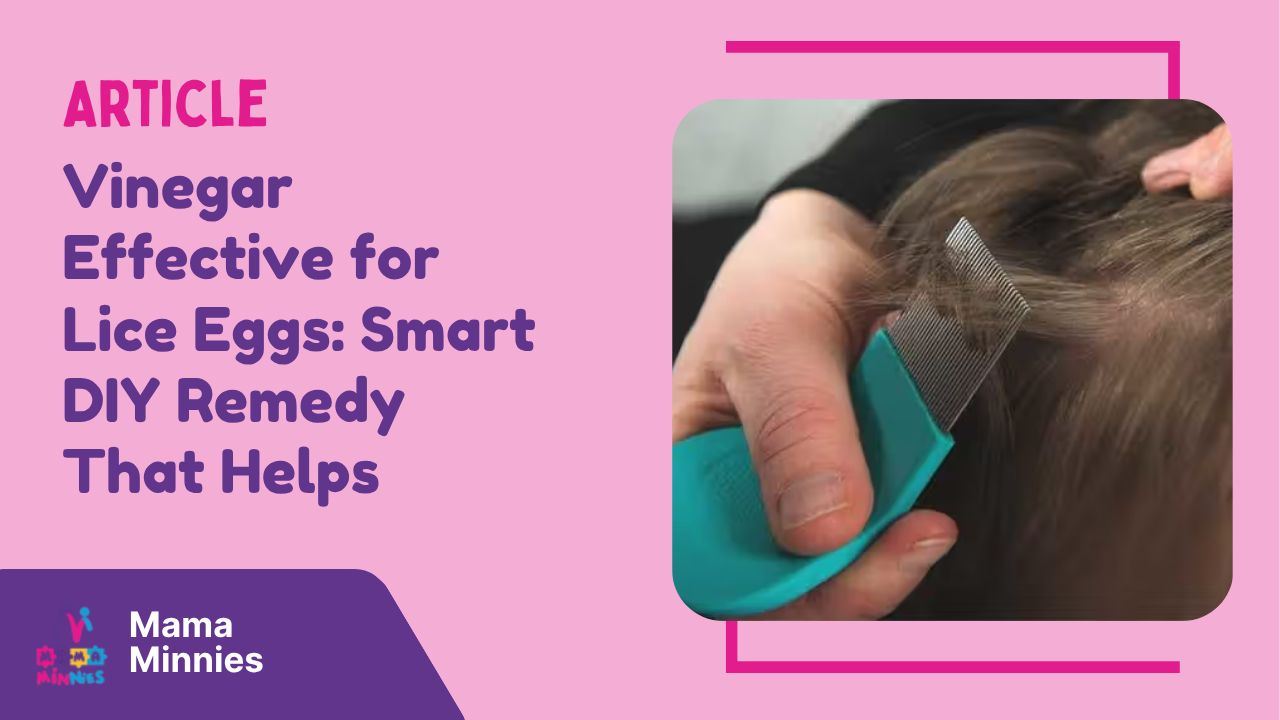
- Comb through the hair with a fine nit comb while it’s still damp.
Never use undiluted vinegar directly on the scalp — it can cause irritation, dryness, or even minor burns. Always follow up with a gentle conditioner or anti-lice shampoo to protect your scalp.
Comparing Vinegar to Proven Lice Treatments
Vinegar might help loosen nits, but it’s not a standalone solution. To completely eliminate lice, families need to use treatments that address both live lice and unhatched eggs.
Why Medical Shampoos Outperform Vinegar
Medical and herbal anti-lice shampoos contain ingredients specifically designed to kill lice on contact and prevent new infestations. For example, Mama Minnies Anti-Lice Shampoo is safe for both kids and adults, uses natural extracts, and doesn’t contain harsh chemicals — making it a safer, more reliable option than relying solely on vinegar.
If you want to explore stronger treatments for all ages, check out Which Lice Treatment Works for Both Adults and Kids for a complete guide.
Combining Vinegar with Other Remedies
Vinegar can still be valuable when combined strategically with proven products. For example, you can use vinegar before combing, then follow up with Mama Minnies shampoo and lotion to target live lice and remaining nits. This combined method improves your success rate and keeps your hair softer than harsh chemical alternatives.
Alternative Natural Methods That Work Better
While vinegar plays a supportive role, several natural remedies have shown greater effectiveness in suffocating lice and easing egg removal.
Coconut Oil and Suffocation Method
Coconut oil works by coating lice and blocking their ability to breathe. When applied overnight under a shower cap, it can kill a majority of lice, while also helping loosen nits for easier combing. Coconut oil is safe for daily use and can even help restore moisture lost to other treatments.
Tea Tree Oil and Essential Oils
Tea tree oil is a natural insecticide with powerful antibacterial properties. Mixing a few drops into a carrier oil (like coconut oil) or anti-lice shampoo can significantly improve results. Other essential oils such as lavender or eucalyptus can also enhance your treatment plan, giving your scalp a refreshing, healing boost.
For those curious about the effectiveness of chemical-free options, Are Natural Lice Remedies Effective for Adults explores safe alternatives that work.
Preventing Lice from Coming Back
Once lice are gone, preventing their return should be your top priority. Vinegar might assist in initial cleanup, but maintaining a lice-free environment requires ongoing effort.
Combing, Cleaning, and Rechecking
Continue to comb the hair every few days for at least two weeks to ensure no eggs remain. Wash pillowcases, hats, scarves, and bedding in hot water to kill lingering lice. You can learn more detailed cleaning steps in How to Prevent Lice from Spreading in the Family for comprehensive prevention guidance.
Using Preventive Sprays and Family Hygiene
Preventive sprays like Mama Minnies Anti-Lice Repellent Spray create a protective barrier that keeps lice away. Encourage your family to avoid sharing combs, hats, and hair accessories — and perform routine head checks, especially during school seasons when lice outbreaks are common.
Conclusion – The Truth About Vinegar for Lice Eggs
Vinegar isn’t a miracle cure, but it’s not useless either. Think of it as a helpful assistant in your lice-fighting toolkit — it makes nits easier to remove and supports other treatments. For long-lasting results, combine vinegar with safe, targeted products like Mama Minnies, plus consistent cleaning and combing routines.
Remember, persistence pays off. Lice may be stubborn, but with the right strategy, you can reclaim your scalp and your peace of mind.
FAQs – Vinegar and Lice Eggs
Does vinegar dissolve lice eggs?
No, vinegar doesn’t dissolve lice eggs but can loosen their glue-like attachment, making them easier to comb out.
Can I leave vinegar on hair overnight?
It’s not recommended — prolonged contact can irritate the scalp. Stick to 10–15 minutes.
Which vinegar works best for lice?
Both white vinegar and apple cider vinegar are effective for loosening nits, but neither kills lice directly.
Can vinegar be mixed with other lice treatments?
Yes! It pairs safely with gentle, non-toxic products like Mama Minnies Anti-Lice Shampoo.
Is vinegar safe for kids’ hair?
Absolutely, when diluted properly. Avoid direct contact with the eyes or open wounds.
Latest Posts:
- What to do if the scalp burns after treatment?
- Can pregnant women use lice shampoos safely?
- Are Mama Minnie’s products dermatologist tested?
- Can anti-lice shampoo cause hair loss?
- Which is better herbal or medicated shampoo?